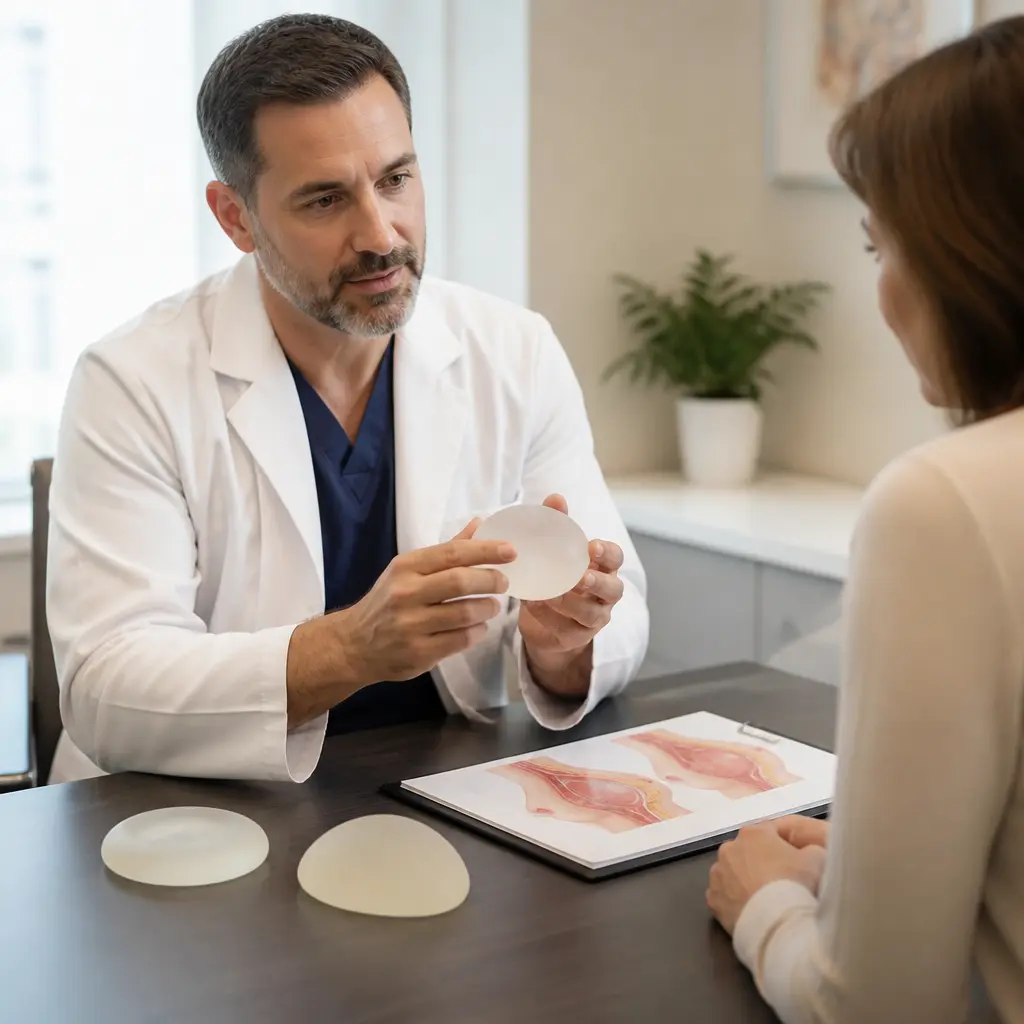
For women facing a mastectomy diagnosis, the decision about whether to pursue breast reconstruction represents a deeply personal choice that affects both physical recovery and emotional wellbeing. While the primary focus during breast cancer treatment centres on removing cancerous tissue and preventing disease progression, understanding reconstruction options before surgery allows patients to make informed decisions about their care pathway. Reconstruction can be performed immediately during the same operation as the mastectomy, or it can be delayed until after other treatments have concluded.
The Role of Screening in Early Detection
Early detection through regular screening remains the most effective strategy for improving breast cancer outcomes. Mammography can identify suspicious changes up to two years before a lump becomes palpable, giving patients and their medical teams crucial time to develop treatment plans. Women aged 50 to 74 are typically advised to undergo screening every two years, though those with elevated risk factors may benefit from earlier or more frequent examinations.
Access to screening services varies considerably across different regions and healthcare systems. Recent policy initiatives in the United Kingdom have highlighted persistent disparities in screening uptake, with advocacy organisations calling for targeted interventions to ensure all women can benefit from these life-saving programmes. Geographic location, socioeconomic status, and cultural factors all influence whether women attend their scheduled appointments.
Beyond standard mammography, additional imaging techniques such as ultrasound, MRI, and tomosynthesis provide enhanced detail for women with dense breast tissue or genetic predispositions. These supplementary tools help radiologists distinguish between benign abnormalities and potentially cancerous growths, reducing both false positives and missed diagnoses. Comprehensive screening programmes incorporate risk assessment to determine which imaging modalities best suit each patient’s clinical profile.
When Mastectomy Becomes Necessary
Mastectomy involves the surgical removal of breast tissue and may be recommended for various reasons. Women with large tumours relative to breast size, multiple tumour sites, inflammatory breast cancer, or BRCA gene mutations may be advised that mastectomy offers better outcomes than breast-conserving surgery. The procedure can be unilateral, affecting one breast, or bilateral when both breasts are removed either for treatment or risk reduction.
Modern surgical techniques have evolved to preserve more of the natural breast envelope. Skin-sparing and nipple-sparing mastectomies remove the breast tissue while maintaining the outer skin and, where oncologically safe, the nipple-areola complex. These approaches create more favourable conditions for reconstruction while maintaining cancer control as the paramount objective. Robotic-assisted techniques offer surgeons enhanced precision and visualisation during complex procedures.
Reconstruction Options and Timing Considerations
Immediate reconstruction takes place during the same surgical session as the mastectomy. This approach reduces the total number of operations required and allows patients to wake from anaesthesia with a breast form already in place, which many find psychologically beneficial. However, immediate reconstruction is not suitable for everyone, particularly when radiation therapy forms part of the treatment plan, as radiation can compromise healing and aesthetic outcomes.
Delayed reconstruction occurs months or years after the mastectomy, once other treatments have concluded and the chest wall has fully healed. This staged approach gives patients time to focus on cancer treatment without the additional recovery demands of reconstructive surgery. It also allows radiation to be completed before introducing reconstruction, though radiation can alter chest wall tissue and make subsequent reconstruction more challenging.
Implant-based reconstruction uses silicone or saline prosthetics to recreate breast volume. Tissue expanders may be placed initially and gradually filled over several months to stretch the remaining skin before the permanent implant is inserted. This method typically involves shorter operative times and recovery periods compared to autologous reconstruction, though implants require long-term monitoring and eventual replacement.
Autologous or flap reconstruction uses the patient’s own tissue, commonly from the abdomen, back, or thighs, to create a new breast. The DIEP flap procedure harvests skin and fat from the lower abdomen while preserving the abdominal muscles, transferring this tissue to the chest where microsurgeons reconnect tiny blood vessels. These reconstructions feel more natural, age with the body, and do not require replacement, but involve longer surgeries and more extensive recovery.
Accessing Specialist Reconstruction Services
Comprehensive breast cancer care requires coordination among surgical oncologists, plastic surgeons, medical oncologists, radiologists, and specialist nurses. For women in the Middle East seeking advanced reconstructive options, institutions such as Cleveland Clinic Abu Dhabi offer integrated programmes where patients can access the full spectrum of breast cancer services under one roof. Their multidisciplinary approach to mastectomy reconstruction abu dhabi ensures that surgical plans account for oncological requirements, reconstruction possibilities, and individual patient preferences from the initial consultation through long-term follow-up.
Access to microsurgical expertise is particularly important for women considering autologous reconstruction, as these complex procedures demand specialised training and experience. Centres with dedicated breast reconstruction programmes typically achieve better aesthetic outcomes and lower complication rates compared to facilities where these surgeries are performed infrequently. Patient should inquire about surgeon volume, complication rates, and opportunities to meet with previous patients when evaluating their options.
Recovery and Long-Term Considerations
Recovery timelines vary substantially based on reconstruction type. Implant-based procedures generally allow patients to resume normal activities within four to six weeks, while autologous reconstruction may require three months before full activity levels are restored. Drains remain in place for one to two weeks post-surgery, and compression garments support healing tissues during the initial recovery phase.
Sensation in the reconstructed breast is typically diminished or absent, though some nerve regeneration may occur over time. Nipple reconstruction and tattooing represent additional procedures that can be performed once the reconstructed breast has settled into its final position, usually six months to a year after the initial surgery. These finishing touches enhance the aesthetic result but remain optional based on patient preferences.
Lymphedema, the chronic swelling that can occur when lymph nodes are removed or damaged, represents a significant concern for mastectomy patients. Preventive strategies including careful surgical technique, early mobilisation, and specialist physiotherapy reduce the risk of this condition developing. Women should receive education about warning signs and management strategies before discharge from hospital.
Making an Informed Decision
The reconstruction decision should never feel rushed. Women benefit from consulting with both their breast surgeon and a plastic surgeon before mastectomy, reviewing photographs of different reconstruction outcomes, and understanding how each option aligns with their treatment plan and lifestyle. Some women choose to proceed without reconstruction, finding that external prosthetics or going flat suit their needs better than additional surgery.
Questions to consider include the number of surgeries required, recovery time and support available during healing, impact on other cancer treatments, long-term maintenance needs, and personal priorities regarding appearance and sensation. There is no universally correct choice, and decisions made by one patient may not suit another with different circumstances and values. Taking time to explore options thoroughly, while working within the constraints of cancer treatment timelines, helps ensure the chosen path feels right for each individual woman.
Also Read
- 5 Ways You Can Make Money with a UV Printer
- Designed for Tomorrow: Discovering Sophisticated Urban Living Spaces
- Organizing Debris Zones During DIY Home Improvement Work






4 thoughts on “Understanding Breast Reconstruction After Mastectomy: What Women Need to Know<p class="post-updated-date">🕓 <span class="updated-label">Last updated on</span> <time datetime="2026-10-27T07:20:50+00:00">October 27, 2026</time></p><script type="application/ld+json"> { "@context": "https://schema.org", "@type": "BlogPosting", "mainEntityOfPage": { "@type": "WebPage", "@id": "https://smartsimiles.com/understanding-breast-reconstruction-after-mastectomy-what-women-need-to-know/" }, "datePublished": "2026-10-27T06:39:26+00:00", "dateModified": "2026-10-27T07:20:50+00:00" } </script>”