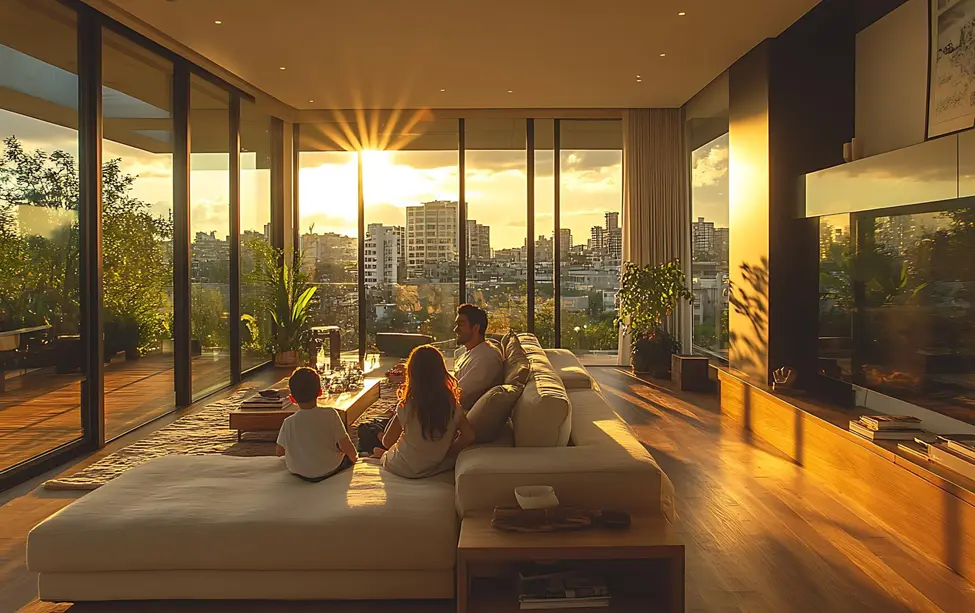
Modern residential spaces are evolving as homeowners increasingly look for homes that combine thoughtful design, everyday comfort, connectivity, and lifestyle-focused amenities. Contemporary housing is no longer defined only by spacious rooms or attractive exteriors.
The growing interest in premium residential properties reflects a broader shift toward communities that integrate functional layouts, green spaces, recreational facilities, security, and convenient access to essential services. Buyers increasingly consider how a home supports their daily routines while also offering opportunities for relaxation, wellness, social interaction, and long-term living comfort.
Modern Residential Design Supporting Evolving Lifestyles
Thoughtful residential planning combines practical layouts, lifestyle amenities, open spaces, and convenient connectivity to create homes suited to changing urban expectations.
1. Thoughtful Layouts For Everyday Comfort
Modern homes are increasingly planned around how residents actually use their spaces. Well-positioned living rooms, bedrooms, kitchens, balconies, and utility areas can improve movement and everyday functionality. Open layouts can also create a greater sense of space while allowing natural light and ventilation to move through the home. Privacy remains important, particularly in larger residences where different family members may have separate routines. A carefully considered floor plan therefore balances openness, functionality, privacy, and comfort rather than focusing only on visual appeal.
2. Open Spaces Supporting Healthier Living
Green areas and thoughtfully planned outdoor spaces can make residential communities feel more comfortable and inviting. Landscaped gardens, walking paths, recreational lawns, meditation areas, and seating zones provide residents with opportunities to spend time outdoors without leaving the community. Open spaces can also improve a development’s visual character while creating areas for informal social interaction. When residential planning gives adequate attention to greenery and outdoor environments, homes can feel less enclosed and more connected to nature, supporting a balanced lifestyle.
3. Amenities Designed Around Daily Needs
Residential amenities have become an important part of contemporary community planning. Fitness centres, swimming pools, children’s play areas, sports facilities, clubhouses, yoga spaces, and social zones can provide convenient opportunities for recreation and wellness. These facilities reduce the need to travel elsewhere for everyday leisure activities while encouraging residents to participate in different forms of exercise and social interaction. A well-planned amenity mix should serve different age groups and interests, allowing a residential community to support varied lifestyles within a shared environment.
4. Connectivity And Convenient Locations
Location continues to influence residential decisions because convenient connectivity can simplify daily routines. Access to employment hubs, schools, healthcare facilities, retail destinations, public transport, and major roads can reduce travel-related challenges. Modern residential developments often focus on locations that connect residents with important urban destinations while still providing a comfortable home environment. Evaluating surrounding infrastructure matters when comparing housing options, especially for families and professionals who need efficient access to workplaces, education, healthcare, and everyday conveniences.
Intelligent Features Shaping Premium Urban Residential Living
Modern housing is increasingly influenced by sustainability, wellness, technology, and flexible community planning that can support changing resident expectations.
The appeal of premium residential properties increasingly extends beyond interiors to include the wider environment in which homes are situated. Buyers may evaluate open spaces, amenity planning, ventilation, community design, location, and infrastructure together when assessing a potential residence. Developments that combine these elements can create a more cohesive living experience. Sustainability is also becoming increasingly relevant, with residents showing greater interest in natural landscaping, energy-conscious systems, efficient water management, and designs that encourage natural light and ventilation. These features can support both comfort and responsible resource use.
Lifestyle-Focused Features Enhancing Modern Home Value
Residential developments now increasingly combine functional homes with shared facilities and environments designed to encourage comfortable, connected lifestyles.
1. Wellness Spaces Encouraging Active Routines
Wellness-oriented amenities can support healthier routines without requiring residents to travel far from home. Gyms, yoga areas, jogging tracks, sports courts, landscaped pathways, and recreational spaces give residents different ways to remain active. These facilities can be particularly useful for families with varied schedules because activities can take place within the community. Dedicated wellness spaces also contribute to a broader residential environment where physical activity, relaxation, and recreation become easier to incorporate into everyday life.
2. Social Areas Encouraging Community Interaction
Residential communities can become more engaging when they include spaces designed for social interaction. Clubhouses, gathering areas, multipurpose lawns, amphitheatres, community lounges, and landscaped seating zones can provide settings for residents to meet and participate in shared activities. Such spaces can encourage a stronger sense of community while giving families additional options for hosting gatherings or spending time together. Effective planning balances private residences with shared areas so residents can enjoy both personal space and opportunities for meaningful interaction.
3. Designs Supporting Natural Light And Ventilation
Natural light and ventilation contribute significantly to indoor comfort. Larger windows, thoughtfully positioned openings, balconies, open layouts, and appropriate building orientation can improve airflow and daylight in residential spaces. These design considerations can make rooms feel more spacious and pleasant while reducing dependence on artificial lighting during daylight hours. Homes designed around these principles can provide a more comfortable indoor environment and support residents who value airy, naturally illuminated spaces as part of their everyday lifestyle.
4. Flexible Spaces For Changing Family Needs
Residential needs can change as families grow, work patterns evolve, or lifestyles shift. Flexible rooms and adaptable layouts can make homes more useful over time. A spare room might serve as a study, guest bedroom, children’s space, or hobby area, depending on changing needs. Larger residences can provide additional flexibility through multiple bedrooms, balconies, utility spaces, and dedicated areas for different activities. This adaptability lets homeowners use their property based on current priorities without immediately requiring major structural changes.
Conclusion: Moving Toward Sophisticated Urban Living
Sophisticated residential living is increasingly shaped by thoughtful design, flexible spaces, open environments, wellness facilities, connectivity, and dependable community infrastructure. These elements work together to create homes that support comfort beyond individual interiors.
For buyers exploring residential property for sale in Bangalore, Genurise Builders offers residential developments across Bengaluru, including apartments, villas, and plotted communities. Their portfolio includes projects with landscaped open spaces, lifestyle amenities, recreational facilities, and strategically planned locations, giving prospective homeowners options that match their preferred lifestyle and residential needs.
Also Read
- How to Rebuild a Daily Routine After Completing Treatment
- What Does ☕ Mean? Teacup Emoji Meaning Explained
- Can You See Who Saved Your Spotify Playlist?