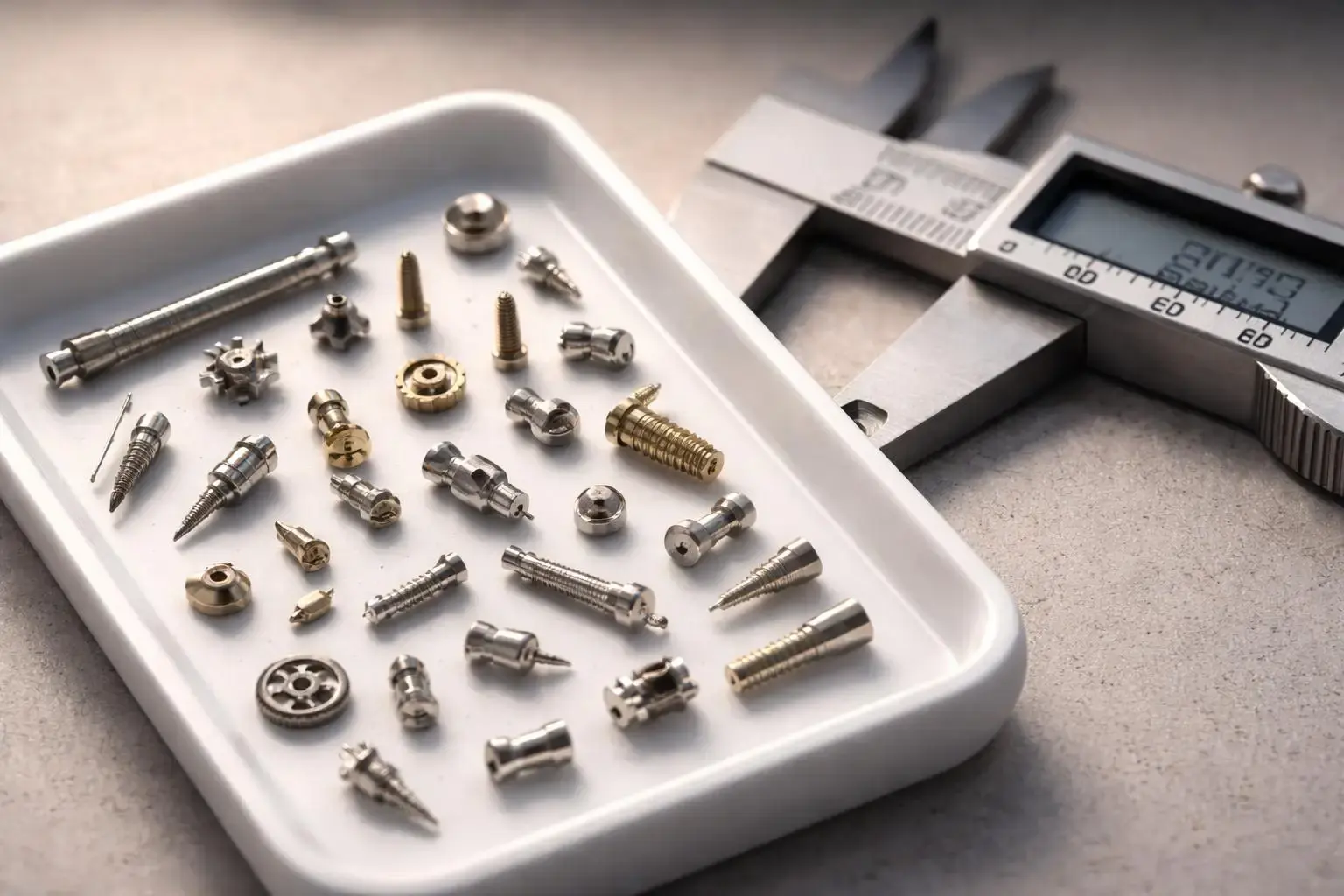
The medical device manufacturing industry operates under some of the most stringent quality, safety, and regulatory standards in the world. From life-sustaining implantable devices and surgical instruments to diagnostic imaging systems and automated drug delivery pumps, medical equipment relies entirely on the flawless performance of its individual underlying parts. In healthcare environments where equipment malfunction can lead to severe clinical complications or loss of life, there is zero margin for component failure. Prioritizing high-quality, precision-engineered components ensures uncompromising patient safety, regulatory compliance, and long-term device reliability.
Ensuring Uncompromising Patient Safety and Clinical Performance
The primary objective of any medical device is to protect, restore, or monitor human health safely. The performance of a complex medical system is only as reliable as its weakest individual mechanical or electrical component.
When medical devices are deployed during invasive surgical procedures or critical intensive care monitoring, every valve, sensor, casing, and microscopic screw must function with total reliability. Component defects, material degradation, or minor dimensional inaccuracies can cause catastrophic device failure, leading to surgical delays, inaccurate diagnostic readings, severe patient injury, or fatal medical errors.
Utilizing top-tier, defect-free components minimizes operational failure risks, providing healthcare professionals with total confidence in their clinical tools. Ensuring uncompromising component quality protects patient lives, upholds clinical integrity, and reinforces public trust in medical technology.
Preventing Sudden Mechanical Failure in Life-Critical Equipment
High-grade internal components resist physical wear, pressure surges, and fatigue during continuous operation in critical care equipment.
Eliminating premature component failure ensures life-support systems function without dangerous interruptions. Reliable parts protect vulnerable patient lives.
Safeguarding Patient Biocompatibility in Implantable Devices
Medical-grade materials used in implants prevent adverse immune reactions, toxic leaching, and physical tissue rejection within human bodies.
Rigorous material testing guarantees that internal components remain biologically safe over extended implantation lifespans. Biocompatible components ensure long-term health.
Navigating Stringent Regulatory Compliance and Traceability Standards
Medical device manufacturers must navigate a complex global landscape of regulatory requirements enforced by health authorities worldwide. Regulatory agencies demand comprehensive documentation proving that every stage of device manufacturing meets strict quality control metrics.
Sourcing high-quality components from certified suppliers ensures compliance with international quality management systems, such as ISO 13485 standards. High-quality components arrive with complete material certifications, dimensional inspection reports, and full lot traceability, proving that raw materials and manufacturing processes comply with rigorous medical standards.
Failing to meet regulatory component standards can lead to costly product rejections, forced manufacturing halts, severe financial penalties, and permanent loss of market clearance. Maintaining strict component quality control ensures smooth regulatory approval pathways and protects medical manufacturers from catastrophic compliance failures.
Maintaining End-to-End Material Traceability and Documentation
Full lot traceability allows medical device manufacturers to track raw material origins and production parameters for every individual component batch.
Comprehensive documentation simplifies audit processes and enables fast root-cause analysis if unexpected field issues emerge. Detailed traceability guarantees regulatory transparency.
Complying with ISO Quality Management Systems
Partnering with component suppliers that maintain ISO certifications guarantees consistent manufacturing processes and rigorous quality inspection protocols.
Standardized quality protocols lower defect rates, ensuring every manufactured component meets identical technical specifications. Quality compliance streamlines regulatory approvals.
Precision Engineering and Advanced Manufacturing Tolerances
Modern medical technology continues to trend toward miniaturization, non-invasive surgical tools, and complex microfluidic systems. Manufacturing these sophisticated devices demands components engineered with microscopic precision and near-zero dimensional tolerances.
Utilizing state-of-the-art high-precision CNC machining and micro-fabrication technologies enables component manufacturers to produce intricate metal and plastic parts featuring microscopic features and sub-micron dimensional accuracy. Precision fabrication ensures seamless mechanical assembly, preventing internal friction, fluid leaks, or structural misalignments.
Precision engineering also guarantees part-to-part consistency across high-volume production runs. Ensuring that every replacement part matches master CAD specifications perfectly allows medical technicians to service, repair, and maintain field devices quickly without custom fitting adjustments.
Achieving Microscopic Tolerances for Surgical Instruments
Advanced multi-axis machining platforms carve complex surgical tool tips with extreme precision, enabling delicate endoscopic procedures.
Ultra-tight manufacturing tolerances guarantee smooth mechanical actuation during intricate minimally invasive surgeries. Micro-precision machining elevates surgical accuracy.
Eliminating Assembly Friction and Dimensional Stack-Up Errors
Consistent component dimensions ensure micro-fluidic valves and pump housings fit together seamlessly during high-speed factory assembly.
Preventing dimensional variations eliminates internal fluid leakage and operational binding in automated drug delivery systems. Dimensional accuracy guarantees device integrity.
Material Excellence and Resistance to Extreme Operating Environments
Medical device components face harsh physical and chemical environments throughout their operational lifespans. Parts must withstand continuous exposure to aggressive chemical disinfectants, high-temperature autoclave sterilization cycles, biological fluids, and constant mechanical vibration.
Selecting high-performance materials—such as implant-grade titanium, surgical stainless steel, specialized medical polymers, and biocompatible ceramics—ensures components maintain structural integrity under extreme stress. Subpar materials degrade rapidly when exposed to repeated steam sterilization, leading to surface cracking, corrosion, and dangerous particle shedding.
Investing in high-quality, corrosion-resistant materials preserves device functionality over years of continuous clinical use. Durable material selection reduces hospital maintenance costs, minimizes equipment downtime, and prevents dangerous material breakdown inside clinical sterile zones.
Withstanding Harsh Autoclave and Chemical Sterilization
Medical-grade polymers and stainless steel alloys resist thermal warping and chemical degradation during high-pressure steam sterilization cycles.
Preserving structural shape and surface integrity through repeated cleaning ensures instruments remain sterile and fully functional. Durable materials withstand intense sterilization.
Preventing Micro-Corrosion and Particle Shedding in Fluid Paths
Corrosion-resistant metal components stop microscopic metallic flakes from flaking off inside fluid pathways or entering patient bloodstreams.
Clean, smooth fluid channels preserve drug purity and prevent blockages in automated IV delivery pumps. Pristine fluid pathways protect patient safety.
Reducing Total Cost of Ownership and Mitigating Recall Risks
While high-quality, precision-engineered components often require higher upfront procurement investments, they deliver substantial long-term cost savings for medical device manufacturers and healthcare providers alike. Cutting corners on component quality inevitably leads to higher downstream costs.
Using low-quality components increases factory scrap rates, causes assembly line delays, elevates warranty repair expenses, and dramatically increases the risk of catastrophic product recalls. A single medical device recall can cost a manufacturer tens of millions of dollars in legal liabilities, logistics, and devastating corporate brand damage.
Prioritizing premium components ensures high manufacturing yields, lowers post-market service expenses, and protects the manufacturer’s brand reputation. High-reliability devices deliver lower total cost of ownership over their operational lifespans, providing hospitals with durable, cost-effective medical equipment.
Lowering Manufacturing Scrap Rates and Assembly Downtime
Consistent, defect-free components drop right into assembly lines smoothly, maximizing factory throughput and reducing expensive material scrap.
Streamlined assembly workflows lower manufacturing costs per unit while ensuring reliable delivery timelines for healthcare clients. Quality components optimize production efficiency.
Protecting Corporate Reputation against Product Recalls
Investing in rigorous component quality control prevents field failures, protecting manufacturing brands from disastrous medical product recalls.
Maintaining a flawless safety track record builds strong relationships with hospital procurement officers and surgical teams. Proven reliability drives long-term commercial success.
Supporting Technological Innovation and Next-Generation Medical Devices
The rapid evolution of modern healthcare—including robotic surgery platforms, wearable patient monitors, automated diagnostic labs, and artificial organs—depends entirely on continuous breakthroughs in component manufacturing capabilities.
Next-generation medical devices require increasingly smaller, smarter, and lighter components capable of housing advanced electronic sensors and wireless communication modules. High-quality component manufacturers collaborate directly with medical engineers to develop custom alloys, micro-molded plastics, and flexible circuits tailored to futuristic clinical applications.
Fostering strong partnerships with high-precision component suppliers empowers medical device developers to push technological boundaries safely. Cutting-edge component innovation accelerates the commercialization of revolutionary medical devices that transform patient outcomes and save lives globally.
Enabling Compact Wearable Diagnostic Sensors
Miniature, lightweight components allow engineers to design discreet wearable devices that monitor vital signs continuously without patient discomfort.
Compact component architecture lowers power consumption, extending battery life for remote patient monitoring units. Component miniaturization expands telehealth capabilities.
Powering Complex Robotic Surgical Assemblies
High-torque micro-gears and ultra-flexible cable linkages enable surgical robots to execute microscopic maneuvers inside human tissue with human-like dexterity.
Exceptional component responsiveness provides surgeons with intuitive tactile feedback during complex robotic procedures. Precision robotics revolutionize modern surgical outcomes.
Conclusion
The importance of high-quality components in medical device manufacturing cannot be overstated. From protecting patient safety and ensuring clinical performance to maintaining strict regulatory compliance, achieving microscopic engineering tolerances, resisting harsh sterilization environments, mitigating recall risks, and driving medical innovation, every aspect of healthcare technology relies on component excellence. Choosing high-precision components, superior medical-grade materials, and certified manufacturing partners safeguards device integrity across every stage of production. Prioritizing component quality empowers medical device manufacturers to deliver safe, reliable, and revolutionary clinical tools that empower healthcare professionals and protect patient lives around the world.
Also Read
- what-to-verify-before-buying-certified-silver-bullion-in-dubai/
- how-to-rebuild-a-daily-routine-after-completing-treatment/
- /understanding-breast-reconstruction-after-mastectomy-what-women-need-to-know/








1 thought on “Critical Precision: Quality Components in Medical Devices<p class="post-updated-date">🕓 <span class="updated-label">Last updated on</span> <time datetime="2026-11-04T16:47:05+00:00">November 4, 2026</time></p><script type="application/ld+json"> { "@context": "https://schema.org", "@type": "BlogPosting", "mainEntityOfPage": { "@type": "WebPage", "@id": "https://smartsimiles.com/critical-precision-quality-components-in-medical-devices/" }, "datePublished": "2026-11-04T16:43:34+00:00", "dateModified": "2026-11-04T16:47:05+00:00" } </script>”