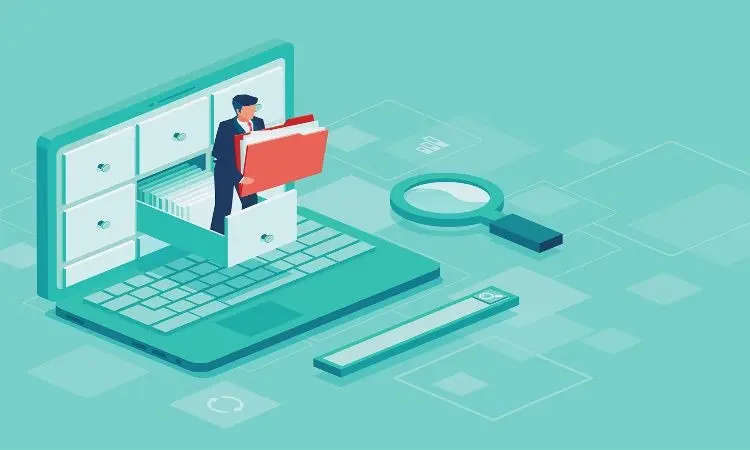
Engineering projects generate documentation at a pace that catches most teams off guard until they are already inside it. A medium-sized infrastructure project might produce thousands of drawings, specifications, calculations, and correspondence items before it reaches the construction phase, and each of those documents has a version history, a review status, and a set of people who need access to the current iteration at different points. Managing that volume through shared drives and email threads is not a system. It is a workaround that produces predictable failures at exactly the moments when accurate information matters most.
The engineering document management system category exists to replace that workaround with something that actually holds up under the conditions of a real project. What distinguishes a system that works from one that creates its own problems is specificity. A general document management platform can store engineering files, but it may struggle with multi-gigabyte CAD and BIM files, break the references and dependencies between them, and fall short on the automated versioning and audit trails that engineering document control requires to demonstrate a controlled process to a client or a regulator.
What Collaboration Actually Requires in an Engineering Context
Collaboration on an engineering project is not the same as collaboration on a marketing campaign or a strategy document. The stakes of working from an outdated drawing are not a revised slide deck. They are a built element that does not match the current design, a procurement item ordered to the wrong specification, or a safety analysis performed against a version of the design that was superseded three weeks ago. These are not hypothetical risks. They are the incidents that show up in project retrospectives and insurance claims.
Genuine collaboration in an engineering context requires that every party working on any element of the project can reliably identify the current approved version of every document they reference, receive notification when a document they depend on is revised, and have their own access scoped to the documents relevant to their scope without giving them visibility into content they have no reason to see. A system that provides all three of these things simultaneously, across a team that includes internal engineers, external consultants, contractors, and client representatives, is doing something that a shared folder cannot do regardless of how carefully it is organized.
The engineering document management system guidance from Egnyte covers how these requirements translate into specific system capabilities for architecture and engineering firms, including automated version control with rollback, detailed audit trails, and granular role-based permissions for external collaborators, along with the adaptive caching and file path preservation that large CAD and BIM files depend on.
Where Control Breaks Down Without a Proper System
The pattern of how document control fails on engineering projects is consistent enough to be predictable. It starts with a folder structure that made sense at the beginning of the project and stops making sense as the scope expands and the number of contributors grows. Engineers develop their own local conventions for version identification, which diverge from each other and from the official convention over time. A subcontractor sends a drawing revision by email rather than through the document management system because the upload process takes longer than an attachment. A document that should have been marked superseded continues to circulate because the person who should have archived it was on leave.
Each of these events is individually small. Cumulatively, they produce a document environment where no one is fully confident that the version they are working from is the current one, and where the cost of verifying currency is high enough that people often skip it. That confidence gap is where coordination errors are born and where the cost of fixing them is incurred.
A document management system that tracks every revision automatically, maintains a single source of truth for the latest approved version, and limits external sharing through permissions, expiring links, and watermarking closes many of these gaps at the source rather than trying to detect the consequences after they have occurred. Audit trails covering uploads, downloads, edits, and external sharing also give firms a record they can rely on for compliance and dispute resolution.
Also Read
- https://smartsimiles.com/turning-down-the-volume-on-opioid-cravings-what-early-glp-1-studies-actually-found/
https://smartsimiles.com/claude-sonnet-5-still-the-workhorse-a-year-later/
https://smartsimiles.com/buying-thc-and-cbd-online-how-to-read-a-coa-decode-labels-and-shop-responsibly/








2 thoughts on “How Engineering Document Management Systems Improve Project Collaboration and Control<p class="post-updated-date">🕓 <span class="updated-label">Last updated on</span> <time datetime="2026-10-28T04:26:42+00:00">October 28, 2026</time></p><script type="application/ld+json"> { "@context": "https://schema.org", "@type": "BlogPosting", "mainEntityOfPage": { "@type": "WebPage", "@id": "https://smartsimiles.com/how-engineering-document-management-systems-improve-project-collaboration-and-control/" }, "datePublished": "2026-10-28T04:26:41+00:00", "dateModified": "2026-10-28T04:26:42+00:00" } </script>”