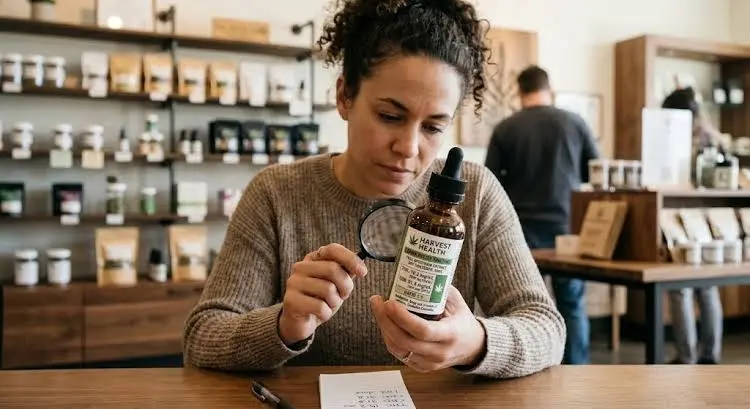
Shopping for hemp derived THC and CBD online is convenient, but product quality, potency, and legality can vary widely. You do not need a lab coat to make a safer choice, but you do need to know where to look and what the numbers mean. This guide focuses on the practical checkpoints that matter most when evaluating an online listing, including understanding a Certificate of Analysis, reading labels for actual strength per serving, reviewing ingredient and extraction details, matching product formats to timing, and confirming legal and shipping rules before checkout.
What a Certificate of Analysis Confirms
Batch-specific lab reports are the foundation of product transparency. Reputable retailers that allow customers to buy THC & CBD Products Online should display a Certificate of Analysis, or COA, linked to a clearly identified lot or batch number. A proper COA is produced by an independent laboratory and lists cannabinoid potency, which may include CBD, CBG, delta 9 THC, and sometimes delta 8 THC. Results may appear in milligrams per gram and as a percentage by weight. The report should also include safety testing for residual solvents, heavy metals, pesticides, and microbes. Check the report date, scan the QR code if one is provided, and confirm that the batch number on the product label matches the number shown on the COA.
Two common warning signs are generic example reports and outdated laboratory results. If the THC line reads ND, meaning not detected, review the laboratory detection limit to understand what that result represents. When delta-9 THC is present, confirm that the product complies with applicable hemp requirements. Many credible laboratories hold ISO IEC 17025 accreditation, which can provide additional confidence in testing procedures. Finally, compare the reported potency with the amount stated on the product label. A major difference between the two may indicate inconsistent quality control.
Label Clarity: Spectrum Type, Strength, and Serving Math
The terms full spectrum, broad spectrum, and isolate describe different types of extracts. Full spectrum hemp oil typically contains CBD along with minor cannabinoids, trace amounts of delta 9 THC, and naturally occurring terpenes. Broad spectrum products are generally formulated to retain several cannabinoids and terpenes while removing detectable THC. CBD isolate is primarily purified CBD without most other plant compounds. The choice depends on the product profile a customer prefers and whether avoiding THC is important.
Strength can be confusing if you focus only on the largest number printed on the package. A 1,000 mg tincture in a 30 ml bottle contains roughly 33 mg per 1 ml serving if the contents are evenly distributed. That serving amount is more useful than the total amount in the bottle when comparing products. The same principle applies to gummies, softgels, and other formats. Look for milligrams per serving or per piece rather than relying only on the package total. Clear serving information makes it easier to understand how much of each cannabinoid a product contains.
Ingredients and Extraction: What They Signal About Quality
Extraction methods can affect both the final product and the type of laboratory testing that matters. Supercritical CO2 extraction is widely used because it does not leave conventional solvent residue when performed correctly. Ethanol extraction can also produce high quality extracts when properly processed and purified. Hydrocarbon based methods may preserve certain compounds efficiently but require careful residual solvent testing. If the extraction method is not disclosed, the ingredient list and COA can still provide useful information about product composition and testing.
Carrier oils and flavorings also deserve attention. MCT oil and hemp seed oil are common carriers in tinctures. MCT oil has a relatively neutral taste and works well in droppers, while hemp seed oil has a nuttier flavor but does not naturally contain significant cannabinoids. Some formulations include botanical terpenes such as myrcene or limonene for aroma and flavor. If you have dietary restrictions, check for allergens, sugar alcohols, artificial colors, or other additives. Packaging features such as child resistant caps, tamper evident seals, and light protective bottles can also help preserve product quality during storage.
Matching Format to Timing and Use
Different formats can produce different onset times and durations. Edible products are processed through the digestive system, so their effects can take longer to appear and may last for several hours. Tinctures used under the tongue may take effect sooner than standard edibles, depending on the formulation and how they are used. Inhaled products typically act more quickly but may have a shorter duration. Topical products are applied to the skin and are generally intended for localized use rather than intoxication.
The key is to choose a format that fits the intended timing and use. Product labels should provide clear serving information and directions. With any product containing THC, avoid driving, operating machinery, or performing other tasks that require full coordination and judgment while impaired. People who are unfamiliar with a product should pay particular attention to serving size and allow enough time to understand its effects before considering any additional amount.
Legal, Age, and Shipping Checks at Checkout
Hemp and cannabinoid laws vary by jurisdiction, and state rules may place additional restrictions on products containing intoxicating cannabinoids. Online retailers should provide age verification where required, clearly identify shipping restrictions, and use compliant labeling and packaging. Before ordering, check the current rules in your area, review shipping and return policies, and confirm whether an adult signature is required for delivery.
Cannabinoids can also interact with some prescription medications and may affect certain medical conditions. If you take prescription drugs or have health concerns, discussing cannabinoid use with a pharmacist or clinician can help you understand potential interactions and risks.
Shop by Transparency Rather Than Marketing Claims
Responsible online shopping for THC and CBD is less about choosing the product with the highest milligram count and more about evaluating the information behind it. A recent COA that matches the product batch, clear serving information, straightforward ingredients, and appropriate packaging all provide useful signs of transparency. Read labels carefully, understand the product format, and confirm local rules before ordering. These habits can help you compare products more thoughtfully and reduce the chance of relying on vague marketing claims or incomplete information.
Also Read
- How to Rebuild a Daily Routine After Completing Treatment
- What Does ☕ Mean? Teacup Emoji Meaning Explained
- Can You See Who Saved Your Spotify Playlist?