If you have walked into a smoke shop or browsed wellness sites lately, you have probably seen kratom sold in more forms than ever: powders, capsules, tablets, gummies, liquid shots and products labeled “7-OH.” For many adults, it is hard to tell these apart, and that confusion matters more than ever after a year of major federal action.
This guide explains the difference between leaf kratom and enhanced products, what regulators did in 2026, and how adults who choose to use kratom can make more informed, safer decisions. It is written without judgment, for anyone who wants clear information.
Leaf Kratom vs Enhanced Products
Kratom comes from the leaves of Mitragyna speciosa, a Southeast Asian tree. Dried leaf contains a mix of alkaloids, mainly mitragynine, plus small natural amounts of 7-hydroxymitragynine (7-OH).
Over the past few years, a new category has appeared: products that concentrate 7-OH or contain semi-synthetic versions of it. These are often sold as tablets, shots or gummies, sometimes with packaging that looks like candy. Public health agencies have linked these concentrated products to serious harms, and they behave very differently from traditional leaf.
What Regulators Did in 2026
Federal agencies spent much of 2026 trying to separate these categories. The DEA moved to place concentrated 7-OH and several related synthetic compounds in Schedule I, while signaling that natural leaf kratom was not the target. In October, the Department of Health and Human Services recommended concentration-based thresholds so that controls would focus on enhanced products rather than natural botanical kratom.
The takeaway for consumers is simple: the products regulators are most concerned about are the concentrated ones, not dried leaf. But leaf kratom is still not FDA-approved, and the FDA continues to warn about its risks.
Understanding Capsules and Other Leaf Formats
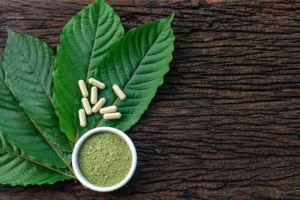
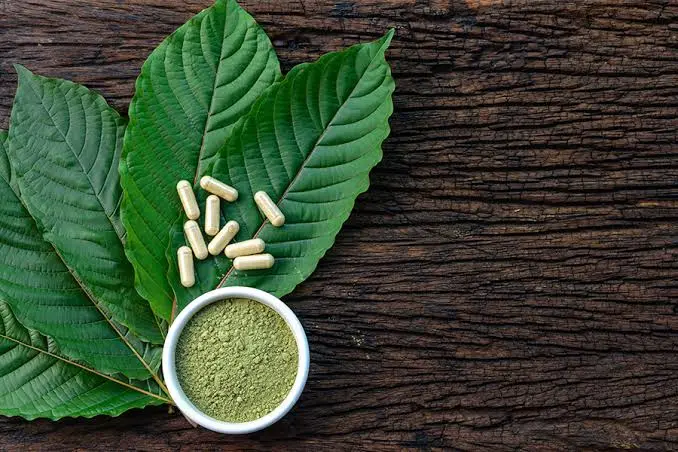
Capsules are one of the most common ways adults buy leaf kratom. They contain dried, powdered leaf in pre-measured units, which some people prefer for convenience and because they avoid the bitter taste of powder. Capsules from Authentic Kratom and similar leaf-based capsules are a different product category from 7-OH tablets or shots, even though they can look similar on a shelf.
When comparing any capsule or tablet product, check the label and lab results to confirm whether it contains plain leaf powder or added extracts and alkaloids. For the detail on where federal officials are drawing that line, HHS has published its recommended science-based thresholds to target enhanced kratom products, which aim to control concentrated 7-OH and a related compound without sweeping natural botanical kratom into Schedule I.
Making Safer Choices
If you decide to use kratom, these steps can reduce avoidable risk:
- Choose leaf products over concentrated or “enhanced” ones.
- Look for independent, batch-specific lab results for contaminants and alkaloid content.
- Avoid anything sold with medical claims or candy-like packaging.
- Do not mix kratom with alcohol, opioids, benzodiazepines or other depressants.
- Talk to a doctor or pharmacist, especially if you take prescription medication, including hormone therapy, antidepressants or HIV medicines, as interactions are possible.
- Notice changes in how often you use it, and whether stopping feels difficult.
It is also worth knowing your local law, since some states and cities ban kratom entirely.
Finding Support Without Stigma
Anyone who feels their kratom use is becoming hard to manage deserves support that is respectful and affirming. Many communities now have LGBTQ+-affirming healthcare providers, harm reduction programs and recovery groups. In the US, the SAMHSA National Helpline at 1-800-662-4357 offers free, confidential treatment referral information around the clock.
Clear Information, Better Decisions
The kratom market has become more complicated, and 2026 brought a clear regulatory line between natural leaf products and concentrated 7-OH. Knowing which is which, choosing lab-tested leaf products if you use kratom at all, avoiding risky combinations and talking to a trusted healthcare provider are the most practical ways to look after yourself in a fast-changing landscape.
This article is general information and is not medical or legal advice. Kratom is not approved by the FDA for any use. Last reviewed November 2026.
Also Read
- https://smartsimiles.com/turning-down-the-volume-on-opioid-cravings-what-early-glp-1-studies-actually-found/
- https://smartsimiles.com/claude-sonnet-5-still-the-workhorse-a-year-later/
- https://smartsimiles.com/buying-thc-and-cbd-online-how-to-read-a-coa-decode-labels-and-shop-responsibly/