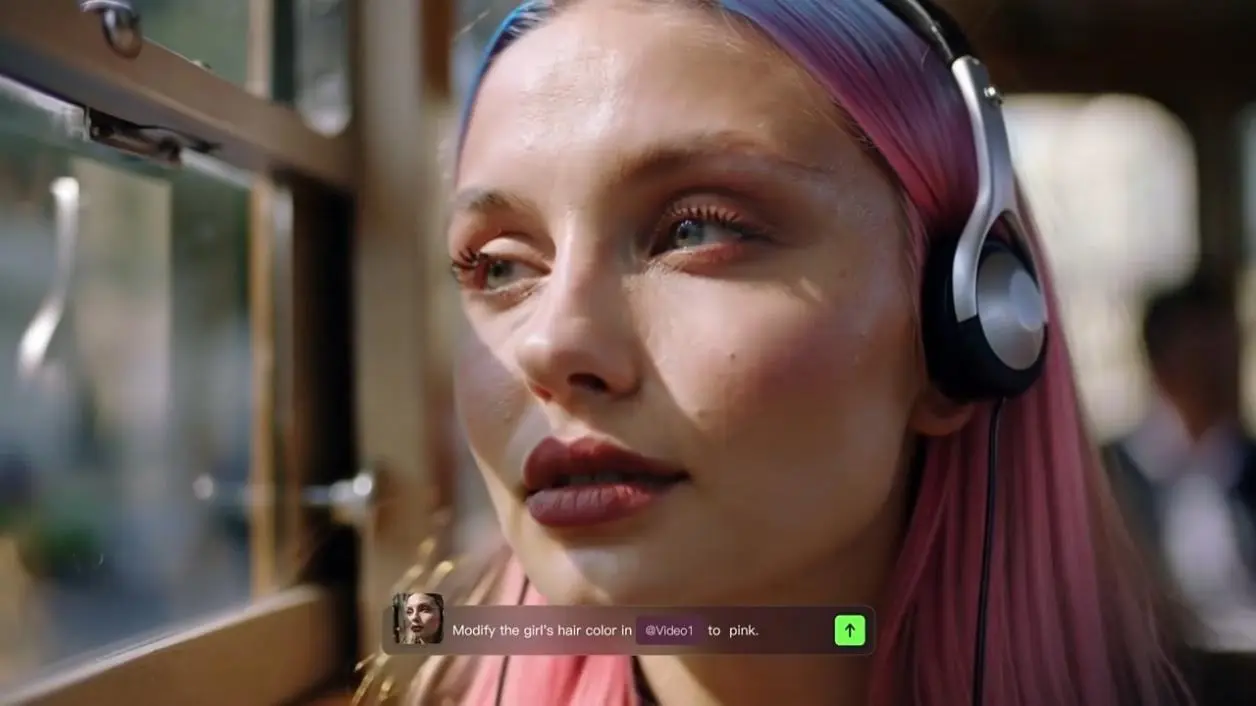
Slow motion is often used to make something look important and ends up making it look tired. The footage is not the problem. Energy comes from contrast: a cut that lands on a beat, movement inside the frame, and a sound that pushes the image forward. Put those three together and a clip at a quarter speed can feel faster than something shot at double. Leave them out and even a sprint looks like a screensaver. The technique is older than any software, and it is still the difference between a shot that lands and one that lingers.
Cut on the Beat
Match Cuts to Music Hits
A cut that lands on a musical hit feels inevitable, and a cut that lands between hits feels accidental. Mark the beats in the track, then place the changes on some of them, not all. The pattern that works is irregular: two cuts close together, then a longer hold. Regularity reads as a metronome, and a metronome is the opposite of energy, which is why the first lesson in video editing is to distrust the grid. Leave a few hits unmarked on purpose, because the ear wants to anticipate rather than receive. Choose the track before you cut, because the rhythm of the music decides the rhythm of the sequence. Mark the beats once, then cut by ear, because the marks are a guide rather than a grid. A track you have not heard before is easier to cut to than one you already know by heart. Familiarity makes you anticipate the hits, and anticipation is exactly what the grid was doing wrong.
Shorter Shots Between Slow Ones
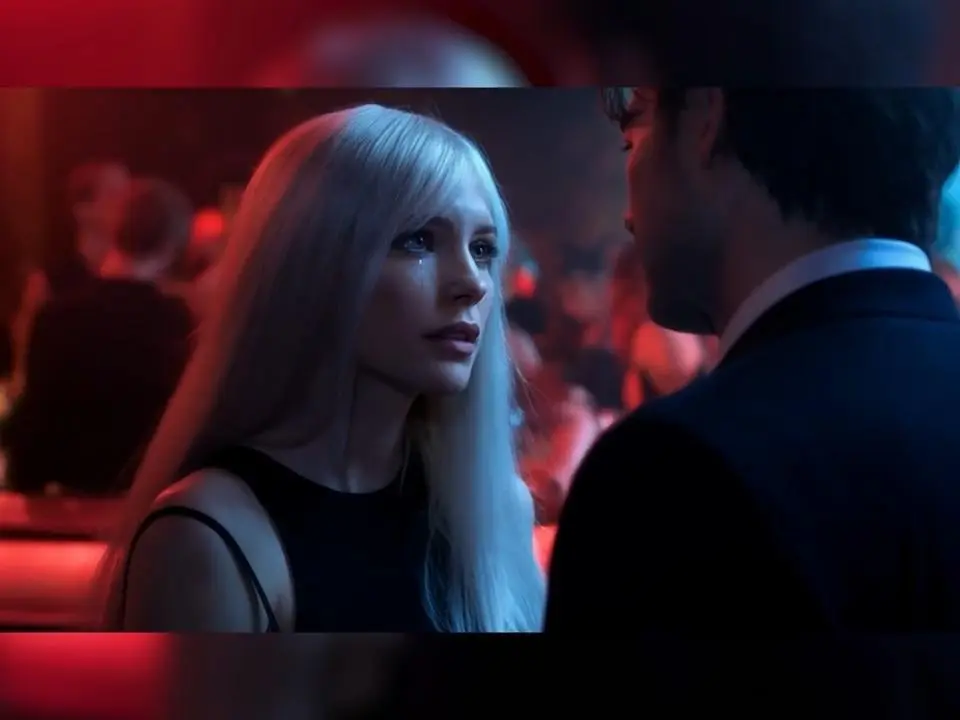
Contrast is the mechanism. A slow shot feels slower and more deliberate when it is surrounded by quick ones, and a burst of three fast cuts makes the following hold feel like a held breath. Build in that alternation rather than applying slow motion to everything. The sequence should have a pulse, and a pulse has both a beat and a pause. Count the cuts in a sequence you admire and the pattern is almost never even. A single fast burst in the middle of a slow section will do more than an effect applied to every shot. Build one burst, watch it back, and add a second only if the first one is not enough.
Add Motion Inside the Frame
Subject Movement, Not Camera Shake
Movement in the subject reads as energy; movement of the camera reads as instability. Ask for a turn, a step, a hand moving through frame, or fabric caught in wind. When the subject is still, slow motion has nothing to reveal and simply stretches time. Fill the frame with something that is going somewhere, even slowly. Even a slight turn of the head gives the eye something to follow across a second of stretched time. A turn, a step or fabric in the wind will do more than any effect applied afterwards.
Speed Ramps at the Peak
A speed ramp changes the rate within a single shot, usually slowing into a moment and then releasing. Used once, it is a punctuation mark; used on every clip, it is a tic. Place the slowest point on the moment that matters, and let the frames before and after run at normal speed. The change of rate is what the viewer feels, more than the rate itself. Ramp on the action, not on the edit point, or the change will read as a glitch. Ramp into the moment rather than out of it, so the release lands on something the viewer was waiting for.
Sound That Pushes
Whooshes and Impact Hits
Sound gives a slow image weight, and weight is what makes it feel powerful rather than merely slow. A low impact under a landing, a whoosh into a transition, a reverse swell before a reveal: each tells the viewer that something is about to matter. Keep them sparse, because a sequence of impacts cancels itself out. One well-placed hit is worth ten. Record or source the sounds at the speed they will be heard, not at the speed they were performed. One impact per sequence is usually enough, and placing it on the strongest frame does the rest. One whoosh into a cut is worth three spread across a sequence.
Extending the Moment Under the Music
A build usually wants more picture than you actually shot. The chorus arrives, the shot ends, and the sequence has to cut away just as the music is doing its best work; the old answers were a freeze, a slow push or a repeat of the same angle. That extra picture can be taken from the take itself. Kling AI Video Editor extends an existing shot forward, and again if the build asks for it: on Kling 4.0 repeated passes can carry one video out towards two minutes with the movement and the light continuous across every join. A slow push or a slight drift is enough. Judge it at normal speed with the music on, because the ear decides whether the beat lands on picture.
Conclusion
Slow motion is not a mood, it is a decision about where attention goes. Cut on a beat, fill the frame with movement, and let the sound push it forward. Do that and the clip earns its slowness; skip it and the clip is simply late. Energy is contrast, and contrast is something you build rather than something a clip already has. Slow motion is a way of storing energy, and the release is where it gets spent.
Also Read
- https://smartsimiles.com/turning-down-the-volume-on-opioid-cravings-what-early-glp-1-studies-actually-found/
- https://smartsimiles.com/claude-sonnet-5-still-the-workhorse-a-year-later/
- https://smartsimiles.com/buying-thc-and-cbd-online-how-to-read-a-coa-decode-labels-and-shop-responsibly/






1 thought on “How Do You Make a Slow Clip Feel Energetic?<p class="post-updated-date">🕓 <span class="updated-label">Last updated on</span> <time datetime="2026-11-17T05:40:42+00:00">November 17, 2026</time></p><script type="application/ld+json"> { "@context": "https://schema.org", "@type": "BlogPosting", "mainEntityOfPage": { "@type": "WebPage", "@id": "https://smartsimiles.com/how-do-you-make-a-slow-clip-feel-energetic/" }, "datePublished": "2026-11-17T05:40:24+00:00", "dateModified": "2026-11-17T05:40:42+00:00" } </script>”