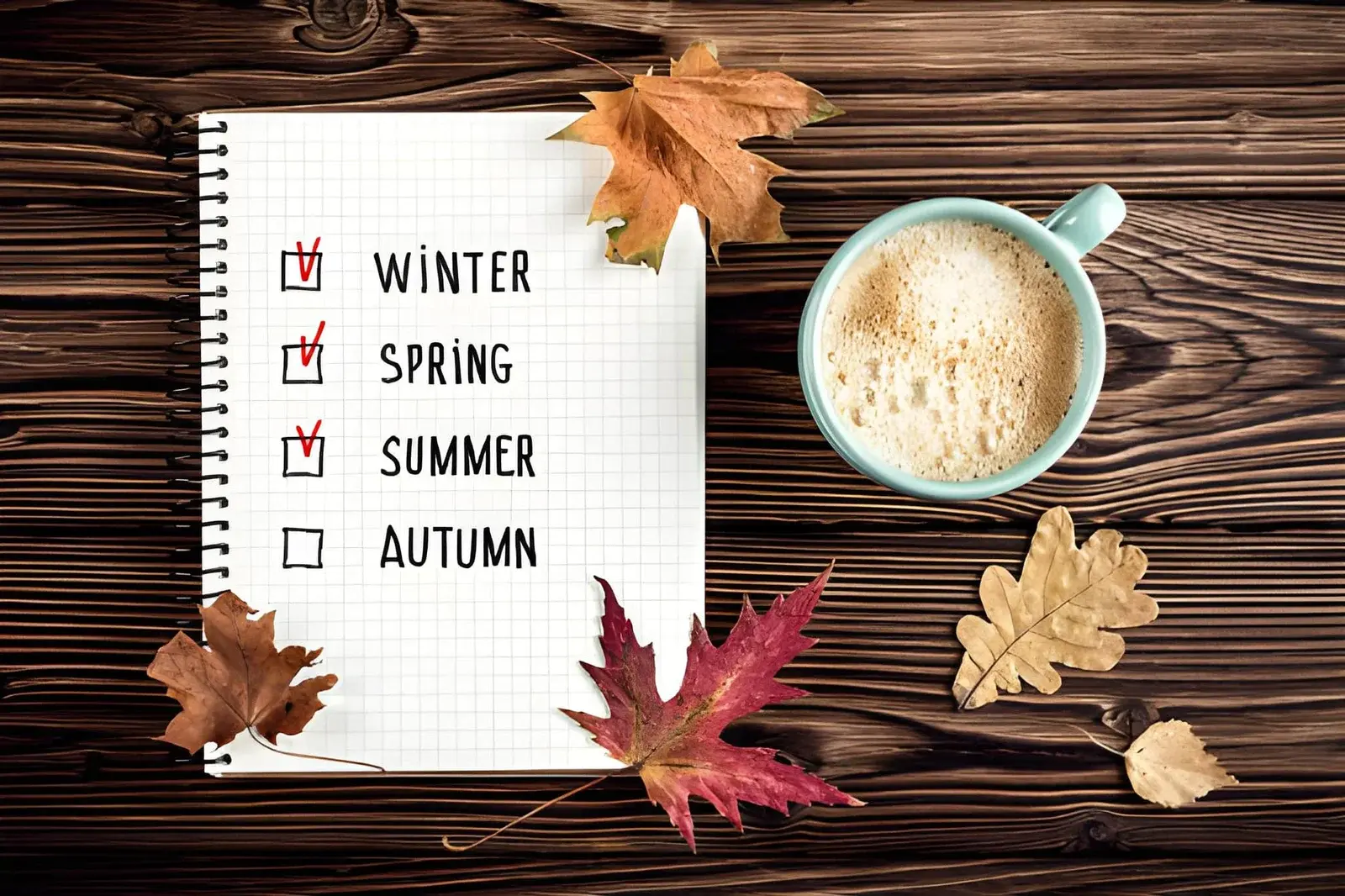
Autumn offers a brief window of mild weather to prepare a home for months of freezing temperatures, biting winds, and winter precipitation. Skipping basic seasonal maintenance leaves residential plumbing, heating equipment, and exterior cladding exposed to avoidable winter failures. A single burst pipe, drafty attic hatch, or clogged gutter can cause thousands of dollars in water damage and drive heating bills upward all winter long. Working methodically through an organized autumn maintenance checklist seals out cold drafts, protects mechanical systems, and ensures peace of mind before the first hard freeze arrives.
1. Exterior Envelope and Roof Preparation
Securing the outer shell of the house stops wind, rain, and snow from penetrating structural framing.
1. Clean Gutters and Inspect Downspouts
Remove fallen leaves, twigs, and roof grit from all gutters and downspouts. Flush gutters with a garden hose to confirm water flows freely away from the foundation without leaking through seam joints.
2. Inspect Roof Shingles and Flashing
Scan the roof from the ground using binoculars to spot curled, cracked, or missing shingles. Check metal flashing around chimneys, skylights, and plumbing vent pipes to verify sealant beads remain intact and watertight.
3. Address Chronic Roof Ice Zones
If previous winters brought thick ice ridges along north-facing eaves or deep roof valleys, schedule upgrades before snow arrives. Consulting experienced Utah heat cable installers during mild autumn weather allows homeowners to mount durable, commercial-grade de-icing systems safely on dry shingles rather than waiting until icy conditions make roof access dangerous.
4. Seal Exterior Wall Penetrations
Walk around the exterior siding and fill gaps around utility conduits, gas lines, cable entries, and outdoor dryer vents using exterior-grade polyurethane caulk. Sealing these openings blocks frigid drafts and stops mice from seeking warm winter shelter inside walls.
5. Touch Up Peeling Exterior Paint and Trim
Scrape loose paint and apply primer and fresh exterior paint to exposed wood trim, window sills, and porch railings. Bare wood absorbs winter moisture rapidly, leading to swelling, splitting, and premature wood rot.
2. Plumbing and Water System Winterization
Standing water expands when frozen, generating immense pressure capable of splitting copper and plastic pipes effortlessly.
6. Shut Off and Drain Exterior Hose Bibs
Locate interior shutoff valves for all outdoor faucets, close them tightly, and open the exterior spigots to drain remaining water from the lines. Disconnect garden hoses, drain them completely, and store them inside a garage or shed.
7. Blow Out Underground Sprinkler Systems
Shut off the main irrigation supply valve and use compressed air to clear remaining water from underground sprinkler pipes, backflow preventers, and valve manifolds before ground frost sets in.
8. Insulate Vulnerable Interior Pipes
Wrap foam pipe insulation sleeves around exposed water supply lines running through unheated garages, crawl spaces, basements, and exterior walls to prevent freezing during extreme cold snaps.
3. Heating, Ventilation, and Draft Control
Tuning heating equipment and sealing air leaks keeps living spaces comfortable while keeping winter utility bills manageable.
9. Schedule Professional Furnace Maintenance
Have a licensed technician inspect, clean, and test your furnace or boiler before cold weather forces continuous operation. Replace disposable air filters and stock extras for monthly winter swaps.
10. Reverse Ceiling Fan Rotation
Flip the directional switch on ceiling fans so blades turn clockwise at low speed. This gentle updraft pushes warm air trapped near the ceiling back down into the living zone without creating a cooling breeze.
11. Test Smoke and Carbon Monoxide Detectors
Closed winter windows trap indoor air, raising risks from malfunctioning fuel-burning appliances. Install fresh batteries in all smoke and carbon monoxide alarms and test every unit on each floor.
12. Upgrade Door Weatherstripping and Window Seals
Inspect rubber weatherstripping and door sweeps on all exterior doors, replacing worn strips wherever daylight peeks through. Apply removable rope caulk or insulating window film over older drafty windows.
4. Yard, Deck, and Equipment Care
Tidying outdoor spaces protects landscaping investments and keeps yard equipment ready for spring.
13. Prune Dead Tree Limbs Near the House
Trim back overhanging branches that touch roof shingles or hang close to power lines. Heavy winter snow and ice can snap weak limbs, sending them crashing onto roofs or vehicles.
14. Clean and Cover Patio Furniture
Wash dirt and mildew off outdoor tables, chairs, and grills, allow them to dry completely, and store them in a shed or cover them with breathable waterproof tarps.
15. Winterize Lawn Mowers and Gas Tools
Drain fuel tanks or add fuel stabilizer to gas-powered lawn mowers, trimmers, and leaf blowers so stale gasoline does not gum up carburetor jets over the winter months.
Also Read
- top-rated-truck-accident-attorneys-in-baltimore-md/
- best-truck-accident-attorneys-in-kansas-city-for-2026/
- inatoto-dafta-online-features-access-and-user-guide/