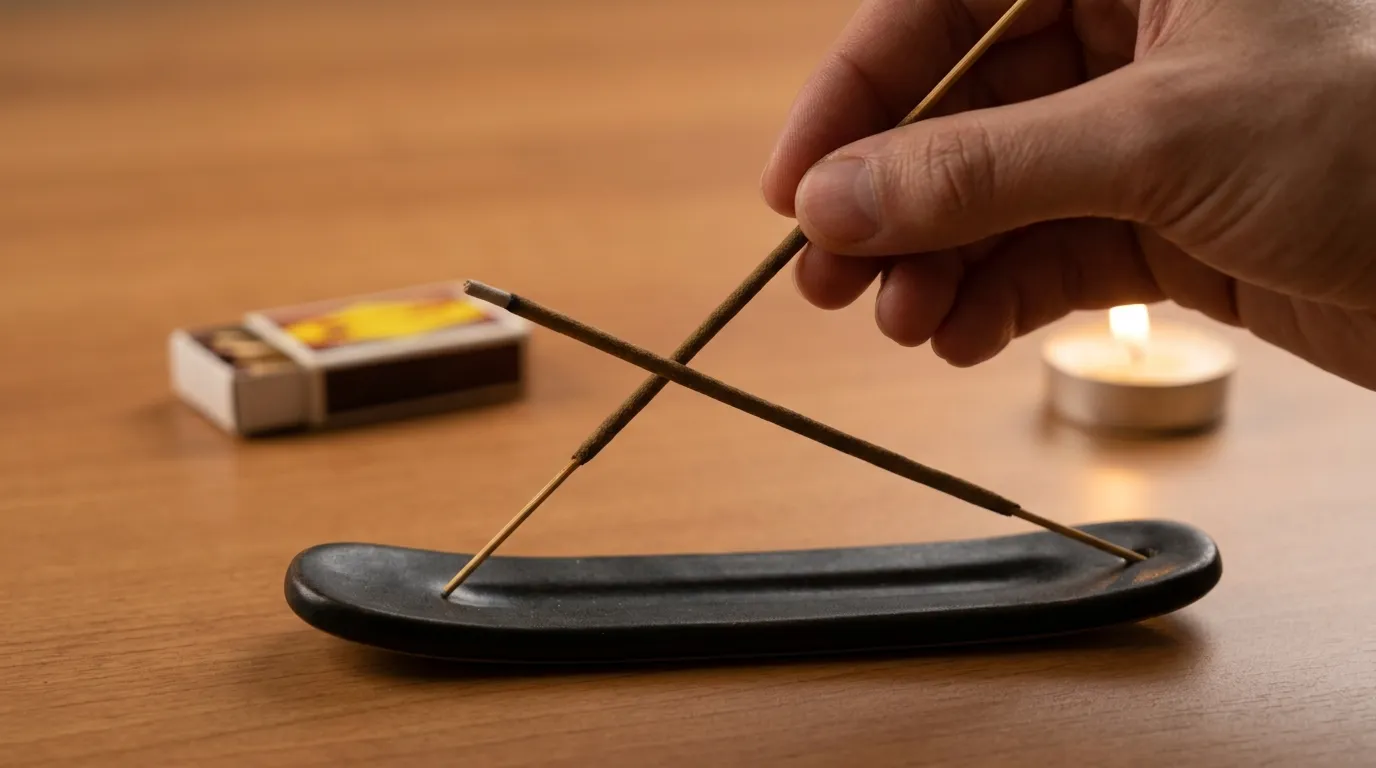
There’s a particular kind of stillness that comes with lighting incense. The scratch of a match, the small flame catching the tip, the first thin ribbon of smoke curling upward it’s a ritual that’s been practiced for thousands of years, from ancient temples to modern living rooms.
Yet for something so simple, incense trips up a surprising number of beginners. The stick won’t stay lit. The smoke is overpowering. The scent barely registers. Most of these problems come down to one thing: technique.
Whether you’re burning incense to unwind after a long day, set the mood for meditation, or simply make your space smell a little more like home, getting it right doesn’t take much just the correct method and a bit of patience.
This guide walks through everything you need to know, from choosing the right type of incense to lighting it properly and troubleshooting when things don’t go as planned.
A Brief History & Cultural Context
Incense burning is far from a modern trend it dates back thousands of years, with some of the earliest evidence found in ancient Egypt, where resins like frankincense and myrrh were burned in religious ceremonies and used in embalming practices.
Around the same time, ancient China was developing its own incense traditions, eventually refining the stick and coil forms still used today. In India, incense became deeply woven into Hindu and Buddhist practice, where it remains a fixture in daily prayer and meditation.
Over centuries, incense spread across cultures and religions, taking on new meanings along the way. Catholic churches adopted it for ceremonial use, Indigenous cultures in the Americas developed smudging traditions with sage and cedar, and Japanese culture elevated incense into an art form through kōdō, the formal “way of fragrance.”
Today, incense has largely moved from the temple to the living room. While it still holds deep spiritual significance for many, it’s just as often burned simply for relaxation, ambiance, or to fill a space with a favorite scent.
Types of Incense (Know Before You Buy)
Not all incense is the same, and picking the right type makes a real difference in how easy it is to light, how long it burns, and how strong the scent comes through.
Sticks are the most common and beginner-friendly option. Most have a bamboo core coated in fragrant paste, though “solid” or extruded sticks (without a core) burn a bit cleaner and are favored by purists. Sticks offer a steady, moderate burn typically 30 to 60 minutes.
Cones burn faster and more intensely than sticks, releasing a stronger scent in a shorter amount of time. They’re a good choice for quickly filling a small room but require a heatproof dish, since they burn down to nothing.
Coils are designed for long burn times sometimes eight hours or more making them popular for outdoor spaces, temples, or all-day ambiance.
Backflow incense (cones or specially shaped sticks) is designed so the smoke flows downward instead of up, creating a dramatic “waterfall” effect. These are mostly decorative but still functional.
Resins and loose incense (like raw frankincense or myrrh) require a separate charcoal disk to burn and take more setup than sticks or cones better suited for those with some experience.
When shopping, check the label for natural vs. synthetic ingredients. Natural incense uses plant resins, herbs, and essential oils, while synthetic versions rely on artificial fragrance oils often cheaper, but sometimes harsher when burned.
Choosing the Right Incense for Your Purpose
Different scents serve different moods, and matching the right incense to your goal can make the experience far more effective.
For relaxation and sleep, look toward calming, soft scents like lavender, chamomile, or sandalwood. These are gentle on the senses and work well in bedrooms or wind-down spaces in the evening.
For focus and meditation, resin-based scents like frankincense, myrrh, or palo santo are popular choices. Many people find these grounding, which is part of why they’ve been used in spiritual practice for centuries.
For cleansing or ritual purposes, white sage and cedar are common choices, often tied to smudging traditions. If you’re drawing on these practices, it’s worth learning a bit about their cultural origins and using them respectfully rather than purely as a trend.
For everyday ambiance, lighter, more universally pleasant scents florals, citrus, vanilla, or sweet blends tend to work well in living rooms, entryways, or anywhere you want a welcoming atmosphere without an overpowering presence.
Room size matters too. Cones and stronger resin-based scents can quickly overwhelm a small space, while a single stick may barely register in a large, open room. When in doubt, start with one stick or cone and adjust from there rather than lighting several at once.
Essential Tools & Setup
Before lighting any incense, having the right setup makes the whole process smoother and safer.
Holders come in several forms depending on the type of incense you’re using. Stick holders are typically a small wooden or ceramic base with a hole or groove to hold the stick at an angle, allowing ash to fall into a tray below. Cones need a heatproof dish, often with a small indentation, since they burn down completely rather than leaving a stick behind. Sand-filled bowls are a versatile option that work for both sticks and cones and help catch ash and absorb heat. Backflow burners have a specific design with a channel that lets smoke flow downward for the signature waterfall effect.
Lighters vs. matches both work, but many incense users prefer matches. A match flame tends to be gentler and easier to control when lighting the tip, while lighters can sometimes produce a hotter flame that’s trickier to manage on a small stick or cone.
Choosing your location matters as much as the incense itself. Pick a stable, heatproof surface away from curtains, papers, or anything flammable. A room with some airflow a cracked window or open door helps prevent the smoke from becoming overwhelming, especially in smaller spaces.
Beyond function, many people choose holders as a small decor piece ceramic, brass, or carved wood designs can double as an aesthetic addition to a room, not just a practical tool.
Step-by-Step: How to Light Incense
Once your holder and space are ready, lighting incense comes down to a few simple steps.
1. Prepare your space and holder. Set your holder on a stable, heatproof surface, away from anything flammable. If you’re using sand or ash to catch embers, make sure it’s evenly settled.
2. Position the stick or cone. Place it in the holder at the angle it’s designed for sticks typically sit at a slight tilt, while cones sit upright in a dish.
3. Light the tip. Hold the incense steady and touch a match or lighter flame to the very tip. Let it catch and burn for about 5 to 10 seconds.
4. Blow it out gently. This is the step that trips up most beginners. Incense isn’t meant to keep burning with an open flame once the tip is lit, blow it out with a short, controlled breath. Too soft and the flame stays lit; too hard and you might snuff out the ember completely.
5. Check for a steady ember. After blowing it out, you should see a small glowing ember at the tip with a thin, steady stream of smoke. That ember not a flame is what slowly burns the incense and releases its scent.
6. Let it burn undisturbed. Set the stick or cone in its holder and leave it in place. Moving it around or bumping it can cause uneven burning or extinguish the ember early.
With a little practice, this becomes second nature most of the learning curve is in the blow-out step, which just takes a little calibration.
Troubleshooting Common Problems
Even with the right technique, incense doesn’t always cooperate. Here’s how to fix the most common issues.
Incense won’t stay lit. This usually happens when the blow-out breath was too strong, extinguishing the ember instead of just the flame. Relight the tip, let it burn a few seconds longer than before, and use a softer breath to blow it out. A draft from a fan, window, or air vent can also snuff out the ember try moving to a stiller part of the room.
Too much smoke or a harsh burn. This is often a sign of lower-quality or synthetic incense, which can burn hotter and dirtier than natural varieties. It can also happen if the incense is lit for too long before being blown out. Try trimming the flame time down and switching to a natural, resin-based stick if the issue persists.
Weak or no scent. Old incense loses potency over time, especially if it wasn’t stored properly. Make sure the room has enough airflow to circulate the scent, but not so much that it’s blown away entirely. If a stick seems scentless even when fresh, it may simply be a lower-fragrance variety.
Uneven burning. This is common with lower-quality sticks that weren’t rolled evenly, or if the stick was disturbed while burning. Letting it burn undisturbed in a draft-free spot solves most cases.
Ash falling off the holder. This usually means the incense is tilted at too steep an angle, or the holder’s groove is too shallow. Adjusting the angle or switching to a holder with a deeper catch tray helps prevent mess.
Burning too fast or too slow. Burn time varies by incense density and thickness. If a stick burns unusually fast, it may be a thinner or lower-quality blend; if it goes out often, revisit the lighting technique above.
Safety Considerations
Incense is generally safe when used properly, but a few precautions go a long way toward preventing accidents and health issues.
Fire safety comes first. Never leave burning incense unattended, even for a few minutes. Keep it well away from curtains, papers, bedding, and anything else flammable, and always use a stable holder that won’t tip over.
Ventilation and air quality matter more than many people realize. Incense smoke contains particulate matter, similar to other forms of smoke, so burning it in a small, sealed room can affect indoor air quality over time. Cracking a window or burning incense in a space with some airflow helps keep this in check.
Pets can be more sensitive to incense smoke than humans, particularly cats and birds, whose respiratory systems are more easily irritated. If you have pets, keep incense sessions short, ensure good ventilation, and watch for signs of discomfort like coughing or avoidance of the room.
Children should be kept away from lit incense and holders, both because of burn risk and the ash that collects during burning. Store incense and lighters somewhere out of reach when not in use.
Respiratory sensitivity is worth considering for anyone with asthma, allergies, or other breathing conditions. Even natural incense can trigger symptoms in sensitive individuals, so it’s worth starting with shorter sessions and good airflow to see how it’s tolerated.
Disposal is simple but shouldn’t be overlooked let ash and spent incense cool completely before disposing of it, and empty ash trays regularly to avoid buildup near flammable material.
Incense Etiquette & Best Practices
Beyond the mechanics of lighting incense, a few practical and cultural considerations can help you use it thoughtfully.
How often is safe to burn incense comes down to ventilation and personal tolerance. Many people burn incense daily without issue, especially with good airflow and natural varieties, but it’s worth paying attention to how a space and your own breathing responds over time. If a room starts to feel smoky rather than lightly fragranced, that’s a sign to cut back or improve ventilation.
Burning incense in shared or rented spaces requires a bit more consideration. Scent and smoke can linger in carpets, curtains, and upholstery, and not everyone shares the same tolerance for it. It’s worth checking with roommates or housemates, and in rental units, confirming there’s no lease restriction on incense use, since smoke residue can sometimes be flagged during move-out inspections.
Cultural sensitivity is especially relevant for incense tied to specific spiritual or cultural traditions white sage and palo santo being two common examples. Both have deep roots in Indigenous practices, and overharvesting driven by mainstream demand has become a real concern. If you’re drawn to these for their scent alone, it’s worth looking into ethically sourced alternatives or simply being mindful of the practice’s origins rather than treating it purely as a trend.
Storage helps preserve both scent and burn quality. Keep incense in a cool, dry, airtight container away from direct sunlight, which can cause fragrance oils to degrade over time. Proper storage keeps sticks and cones burning as intended, even months after purchase.
Alternatives to Traditional Incense
Incense isn’t the only way to bring scent and ambiance into a space, and for some people, it isn’t the best fit whether due to smoke sensitivity, pets, or simply personal preference.
Essential oil diffusers are one of the most popular alternatives. Using water and heat or ultrasonic vibration, they disperse scent without any smoke or flame, making them a good option for households with respiratory sensitivities, small children, or pets. They also tend to offer more control over scent intensity.
Smokeless incense has grown in popularity as a middle ground it still involves burning, but is formulated to produce minimal visible smoke while retaining fragrance. It’s worth noting that “smokeless” doesn’t always mean “particulate-free,” so ventilation is still worth considering.
Incense sticks without bamboo cores appeal to purists who find that the burning bamboo core in traditional sticks affects the purity of the scent or adds an earthy, woody undertone they’d rather avoid. These solid or extruded sticks burn a bit differently and are often considered a more refined option by longtime incense users.
Each alternative comes with its own trade-offs in cost, convenience, and authenticity of experience there’s no single “better” choice, just what fits your space and needs.
Frequently Asked Questions
Can you relight incense that went out?
Yes. Simply relight the tip as you did originally, letting it flame briefly before blowing it out again. If it keeps going out repeatedly, the issue is usually technique (blowing too hard) or a draft in the room.
How long does a stick or cone last?
A standard incense stick typically burns for 30 to 60 minutes, depending on length and density. Cones burn faster, usually lasting 15 to 30 minutes, while coils can last several hours or even all day.
Is incense smoke bad for your lungs?
Like any smoke, incense produces particulate matter that can affect air quality, especially with frequent use in poorly ventilated spaces. Occasional use with good airflow is generally considered low-risk for most people, but those with asthma or respiratory conditions should be more cautious and prioritize ventilation.
Can incense trigger smoke alarms?
It can, particularly with smoke detectors placed close to where incense is burning or in small, enclosed rooms. Burning incense away from detectors and keeping the area ventilated reduces this risk.
What’s the difference between natural and synthetic incense?
Natural incense uses plant-based resins, herbs, and essential oils for fragrance, while synthetic incense relies on artificial fragrance oils. Natural incense tends to burn cleaner and offer a more nuanced scent, though it’s often pricier than synthetic alternatives.
Conclusion:
Lighting incense is a small ritual, but one that rewards a little attention to detail. Once you understand the basic technique lighting the tip, letting it flame briefly, then blowing it out to reveal a steady ember the rest becomes second nature.
From there, it’s really about finding what works for you: the right type of incense, the right scent for the mood you’re after, and a setup that keeps things safe and enjoyable.
Whether you’re burning incense for meditation, unwinding after a long day, or simply making your home smell a little more like itself, it’s worth taking the time to do it well. A few minutes of quiet, a curl of smoke, and a familiar scent can go a long way.

I am Henry Blake, a passionate young writer sharing creative ideas and meaningful thoughts on Smartsimiles.com.
I am dedicated to inspiring readers with smart content that brings knowledge, positivity, and a reason to smile.