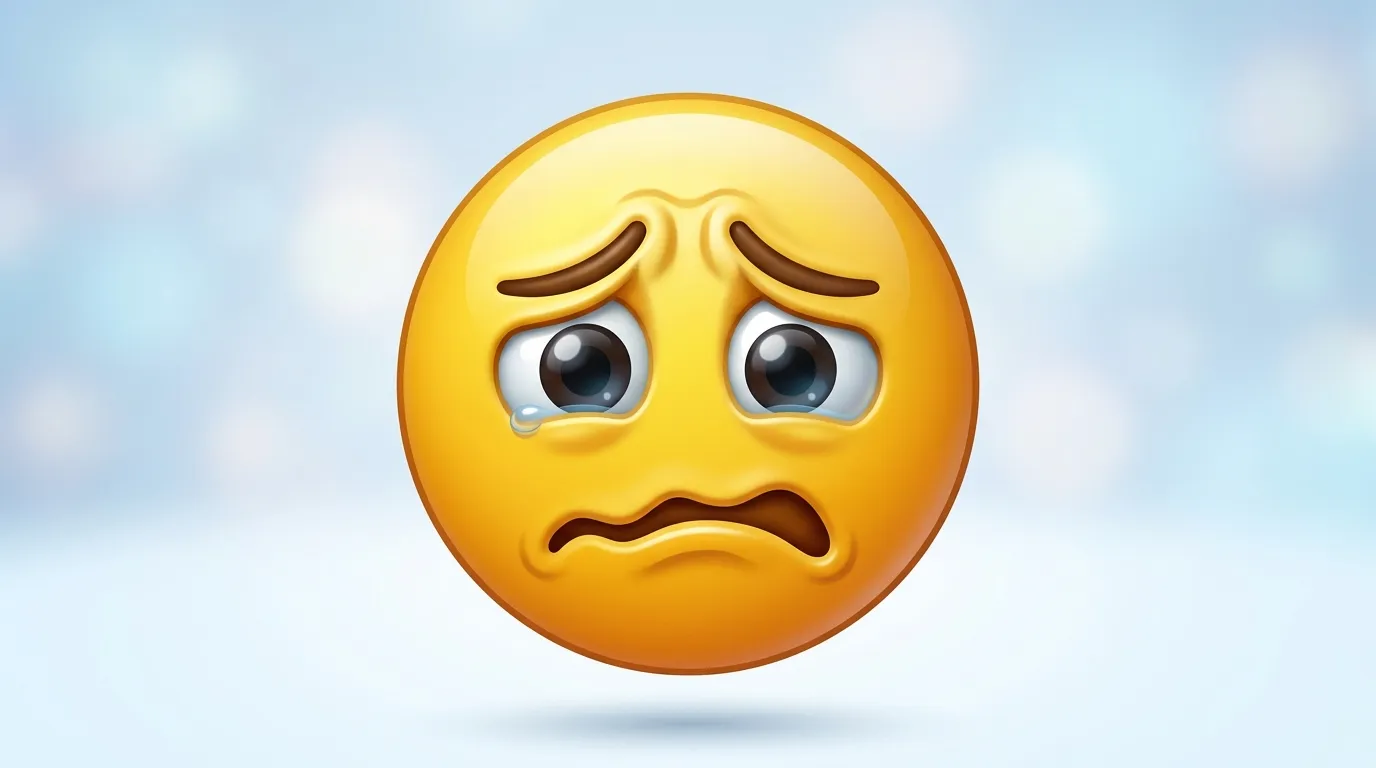
Feeling unsure about the 😟 worried emoji? Here’s what it really means, when to use it, and the best copy-paste combinations for every conversation.
Have you ever received a 😟 and wondered whether someone was simply concerned, anxious, or expecting reassurance?
Emojis often carry emotions that words alone can’t express, making them a big part of everyday conversations on WhatsApp, Instagram, and TikTok. Understanding the right context helps you avoid confusion and communicate more naturally.
In this guide, you’ll discover the most common emoji meanings, practical usage tips, copy paste emojis, why they appear differently across devices, and the latest trending emojis 2026 connected with the worried emoji family.
Sometimes a single 😟 says more than an entire paragraph.
What do worried emoji mean?
The worried emoji family expresses concern, nervousness, sympathy, uncertainty, or emotional vulnerability. Depending on the conversation, these emojis can soften a message, ask for reassurance, or simply show empathy.
| Emoji | Core meaning | Misread as | Best used when |
| 😟 | Concern or worry | Sadness | Checking on someone |
| 😰 | Nervous anxiety | Fear | Stressful situations |
| 😥 | Relief mixed with sadness | Crying | Emotional moments |
| 🥺 | Seeking comfort | Flirting | Asking gently or emotionally |
| 😔 | Disappointment | Anger | Feeling let down |
| 😕 | Confusion or uncertainty | Annoyance | Unsure what to think |
😟 Worried Face
Meaning: Concern, worry, or caring about someone.
Example 1: Please text me when you get home 😟
Example 2: I hope everything is okay 😟
😰 Anxious Face with Sweat
Meaning: Feeling stressed, nervous, or overwhelmed.
Example 1: My interview starts in five minutes 😰
Example 2: I almost missed my flight 😰
😥 Sad but Relieved Face
Meaning: Emotional relief after a difficult moment.
Example 1: We finally made it safely 😥
Example 2: That was a close call 😥
🥺 Pleading Face
Meaning: Asking gently for kindness, comfort, or understanding.
Example 1: Can you stay a little longer? 🥺
Example 2: I really need your help 🥺
😔 Pensive Face
Meaning: Feeling disappointed or reflective.
Example 1: Today didn’t go as planned 😔
Example 2: I wish things had turned out differently 😔
😕 Confused Face
Meaning: Uncertainty or mixed feelings.
Example 1: I’m not sure what happened 😕
Example 2: That message confused me 😕
😟😰 Worried Pair
Meaning: Strong concern during stressful moments.
Example 1: Please be careful 😟😰
Example 2: Everyone is waiting for your update 😟😰
😥🥺 Comfort Pair
Meaning: Seeking emotional reassurance.
Example 1: It’s been a hard day 😥🥺
Example 2: I could really use a hug 😥🥺
😔😟 Reflective Pair
Meaning: Quiet concern and disappointment together.
Example 1: I hope tomorrow is better 😔😟
Example 2: I’m thinking about everything 😔😟
😕🥺 Unsure Pair
Meaning: Gentle uncertainty while asking for support.
Example 1: Did I do something wrong? 😕🥺
Example 2: Can we talk later? 😕🥺
How to use worried emoji the right way
On WhatsApp emojis, worried emojis feel personal and caring. A simple “Drive safely 😟” or “Let me know when you’re home 😰” sounds warm without being dramatic.
For Instagram emojis, use them in captions or Stories when sharing vulnerable moments, reflections, or authentic updates. They help make emotional content feel more relatable.
On TikTok, these emojis often appear with humorous overthinking, awkward moments, or ironic reactions while still fitting the emotional tone of the video.
Do:
- Match the emoji with the conversation.
- Keep emotional messages sincere.
- Pair worried emojis naturally with supportive words.
Don’t:
- Overuse multiple worried emojis in every sentence.
- Send them during happy celebrations.
- Assume everyone interprets emotional emojis the same way.
Best worried emoji combos copy & paste
Romantic
👉 🥺😟 Missing your partner and hoping they’re okay.
👉 😔🥺 Saying sorry after a misunderstanding.
👉 😥😟 Showing genuine care.
Cute
👉 🥺😕 Asking an innocent question.
👉 😟🥺 Looking for reassurance.
👉 😥🥺😟 Sharing a vulnerable moment.
Flirty
👉 🥺😟 Waiting for a reply.
👉 😕🥺 Playfully asking if they’re upset.
👉 😰🥺 Nervous before a date.
Missing someone
👉 😔😟 Thinking about someone far away.
👉 😥😟 Hoping they’re doing well.
👉 🥺😔 Wishing they were here.
Good night
👉 😟🥺 Sleep well and take care.
👉 😔😥 Rest after a difficult day.
👉 😟😔🥺 Sending a caring goodnight message.
Trending worried emoji in 2026
People continue to use worried emojis in conversations that feel genuine, supportive, and emotionally honest. Rather than replacing words, they often make messages feel more human.
| Emoji | Why trending | Who uses it | Platform |
| 😟 | Caring conversations | Friends, families, creators | |
| 🥺 | Gentle emotional expression | Younger users, couples | |
| 😰 | Stress and relatable humor | Students, professionals | TikTok |
| 😔 | Personal reflections | Everyday users |
As digital conversations evolve, emotional emojis continue adapting to new styles of online expression.
FAQs:
1. What is the most popular worried emoji?
The 😟 emoji is one of the most recognized worried emojis because it clearly expresses concern without appearing overly dramatic. It’s commonly used in personal chats and supportive messages.
2. What does 🥺 mean from a girl or boy?
The 🥺 emoji usually expresses vulnerability, kindness, or a request for understanding. Its meaning depends on the conversation rather than the sender’s gender.
3. Why do emojis look different on iPhone vs Android?
Every operating system designs its own emoji artwork. The emotion stays similar, but colors, facial expressions, and small design details may look different across devices.
4. Are worried emoji used differently in other countries?
Yes. Different cultures may interpret emotional expressions differently. Even so, worried emojis are generally understood as signs of concern, care, or empathy in most online conversations.
Conclusion:
Worried emojis help add warmth, empathy, and emotional clarity to digital conversations. Whether you’re chatting on WhatsApp, posting on Instagram, or sharing a TikTok caption, using them thoughtfully makes your messages feel more genuine.
Choose the right emoji, keep the context natural, and let your feelings come across with care.

I am Henry Blake, a passionate young writer sharing creative ideas and meaningful thoughts on Smartsimiles.com.
I am dedicated to inspiring readers with smart content that brings knowledge, positivity, and a reason to smile.