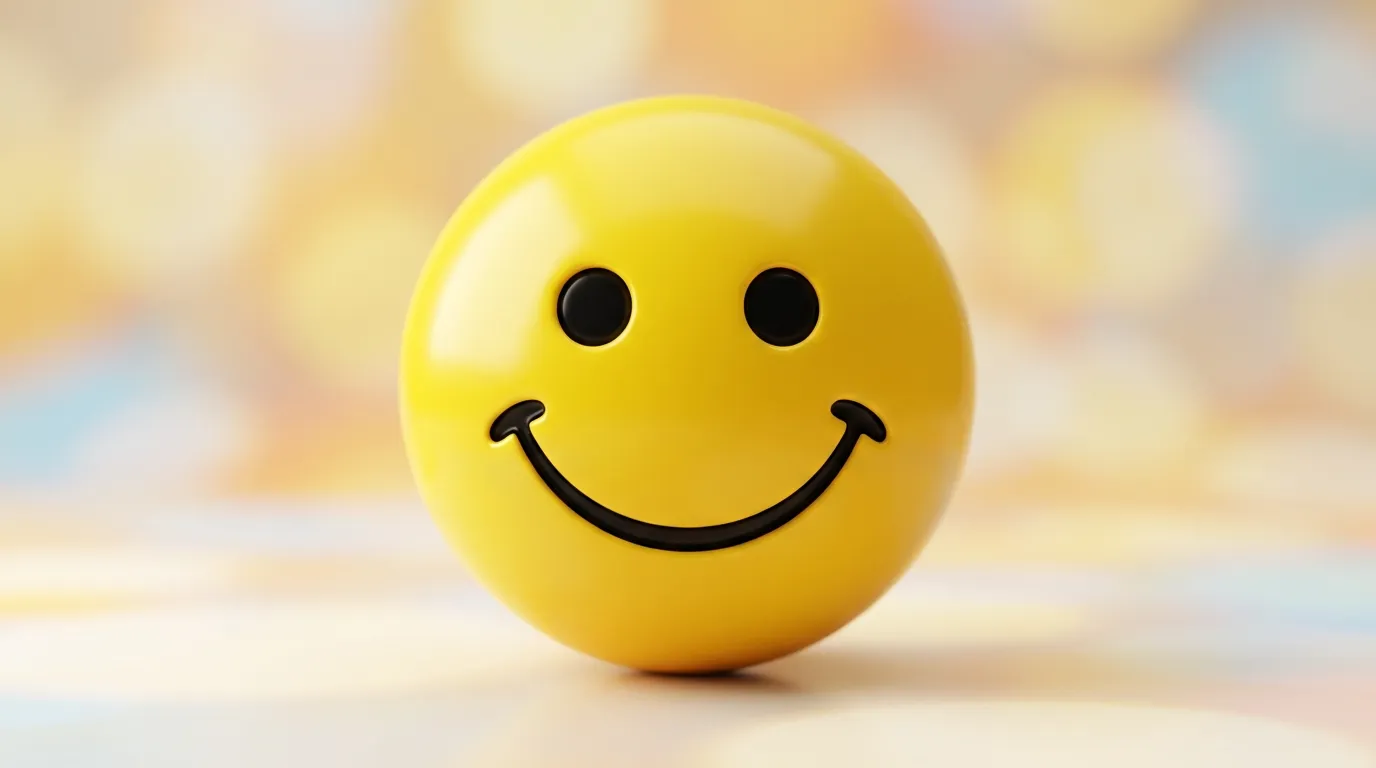
A simple smile can say more than a whole sentence when words feel a little too plain.
I still remember sending a short “okay” in a chat and realizing it sounded colder than I intended. Adding a smiley emoji instantly changed the mood.
That is the magic of these tiny expressions: they can make messages warmer, funnier, friendlier, or more playful without adding extra words. From everyday WhatsApp emojis to Instagram captions and TikTok comments, smileys fit naturally into digital conversations.
But their emoji meanings can shift depending on context, platform, and relationship, so choosing the right one matters.
The right smiley can turn an ordinary message into one that feels genuinely human.
What do smiley emoji mean?
Smiley emojis usually add emotional tone to written communication, but the exact feeling depends on the conversation. A cheerful smile can feel friendly in one message and slightly awkward in another.
😀 often works well when you want an openly positive tone, while 😃 and 😄 can make excitement feel more expressive. 😁 can add extra enthusiasm, whereas 😆 and 😂 are better suited to genuinely funny moments.
😅 can soften an awkward situation, while 🙂 may feel calm or polite. 🙃 can add a playful twist, and 😉 can make a message sound teasing or lightly flirty.
| Emoji | Core meaning | Misread as | Best used when |
| 😀 | Open happiness | Overly cheerful | Friendly everyday messages |
| 😃 | Cheerful excitement | Forced enthusiasm | Sharing good news |
| 😄 | Warm happiness | Too enthusiastic | Friendly conversations |
| 😁 | Big cheerful expression | Excessive excitement | Celebrating or joking |
| 😆 | Strong amusement | Childish laughter | Funny conversations |
| 😅 | Awkward relief | Nervousness | Mistakes or awkward moments |
| 😂 | Intense laughter | Overreaction | Something is genuinely hilarious |
| 🙂 | Gentle friendliness | Cold or passive tone | Polite, calm messages |
| 🙃 | Playful irony | Confusion | Jokes and ironic comments |
| 😉 | Playful teasing | Flirting | Light teasing or playful chats |
😀 Grinning Face
Meaning: Open happiness and positive energy.
Example 1: Great to hear from you 😀
Example 2: We finally finished the project 😀
😃 Grinning Face with Big Eyes
Meaning: Cheerful excitement and energetic happiness.
Example 1: That sounds amazing 😃
Example 2: I can’t wait for tomorrow 😃
😄 Grinning Face with Smiling Eyes
Meaning: Warm, genuine happiness and friendly enthusiasm.
Example 1: You made my day 😄
Example 2: That was such a fun evening 😄
😁 Beaming Face with Smiling Eyes
Meaning: Strong cheerful excitement with a bright expression.
Example 1: I got the good news 😁
Example 2: We are going on vacation 😁
😆 Grinning Squinting Face
Meaning: Strong amusement and playful laughter.
Example 1: That joke was perfect 😆
Example 2: You really said that 😆
😅 Grinning Face with Sweat
Meaning: A smile mixed with awkwardness, relief, or nervous humor.
Example 1: I almost forgot the meeting 😅
Example 2: That was close 😅
😂 Face with Tears of Joy
Meaning: Intense laughter at something extremely funny.
Example 1: I can’t stop laughing 😂
Example 2: That video got me 😂
🙂 Slightly Smiling Face
Meaning: A mild, gentle expression of friendliness or positivity.
Example 1: Sure, that works for me 🙂
Example 2: Have a nice day 🙂
🙃 Upside-Down Face
Meaning: Playful irony, silliness, or a humorous twist.
Example 1: Well, that went perfectly 🙃
Example 2: I definitely planned that 🙃
😉 Winking Face
Meaning: Playful teasing, a private joke, or lighthearted interaction.
Example 1: You know what I mean 😉
Example 2: Maybe I have a surprise for you 😉
How to use smiley emoji the right way
On WhatsApp, smileys work especially well in personal conversations because they add emotion to short messages. A simple sentence can feel warmer when the surrounding conversation is casual and friendly.
On Instagram, smileys can complement captions, comments, Stories, and replies. They are useful when you want an approachable, cheerful style without making a caption feel overloaded.
On TikTok, smileys often appear in humorous comments, reactions, trends, and playful conversations. Context matters because irony and jokes can change how a smiley is interpreted.
A few simple dos and don’ts help:
- Do match the smiley to the mood of the conversation.
- Do use them to make short messages feel less abrupt.
- Don’t add several different expressions when one is enough.
- Don’t assume a smiley always has the same emotional effect.
- Do consider your relationship with the person before using playful expressions.
Best smiley emoji combos copy & paste
Here are easy copy paste emojis you can use in everyday chats, captions, and comments. Each combination stays within the same smiley family.
Romantic
👉 😉😄 Use for a warm, playful romantic message.
👉 😄🙂 Add to a sweet and affectionate conversation.
👉 😉😁 Use when a romantic message has a teasing tone.
Cute
👉 😃😄 Great for cheerful everyday messages.
👉 😀🙂 Works for a simple, friendly reply.
👉 😁😃 Add when sharing exciting happy news.
Flirty
👉 😉😄 A playful combination for light flirting.
👉 😉🙂 Works when the flirting is subtle.
👉 😁😉 Use when teasing someone you like.
Missing someone
👉 🙂😄 Add warmth to a message about reconnecting.
👉 😀🙂 A gentle choice for saying hello after time apart.
👉 😄😉 Works for a playful “thinking of you” message.
Good night
👉 🙂😄 A warm way to end a friendly conversation.
👉 😄🙂 Use for a cheerful good-night message.
👉 😉🙂 Adds a playful closing note.
Trending smiley emoji in 2026
In 2026, smiley expressions continue to work well because they are flexible across different types of online communication. Instead of being limited to simple happiness, users often choose expressions based on the personality and tone they want to create.
😀 remains useful for straightforward positive reactions, especially in everyday chats. 😂 continues to appear naturally in humorous conversations, while 🙂 is useful when people want a softer digital tone.
😉 also fits modern casual communication because it can add personality to short messages, comments, and playful exchanges. Content creators and everyday users can adapt these expressions to different conversational styles.
| Emoji | Why trending | Who uses it | Platform |
| 😀 | Simple and instantly recognizable | Everyday users | WhatsApp, Instagram |
| 😂 | Fits humorous reactions | Friends and creators | TikTok, WhatsApp |
| 🙂 | Useful for softer messages | Everyday chat users | WhatsApp, Instagram |
| 😉 | Adds playful personality | Social users and creators | Instagram, TikTok |
As digital communication keeps changing, emoji use generally evolves with online humor, conversation styles, and the way people express tone through text.
FAQs:
1. What is the most popular smiley emoji?
😀 is one of the most recognizable choices for expressing a positive reaction. It works especially well in casual conversations where you want the message to feel openly friendly.
2. What does 😉 mean from a girl or boy?
Its interpretation depends more on context than gender. In a personal conversation, it can make a message feel playful or teasing, especially when the surrounding words already suggest that tone.
3. Why do emojis look different on iPhone vs Android?
Different operating systems and apps use their own emoji artwork and design choices. The underlying emoji can be the same even when its appearance changes across devices.
4. Are smiley emoji used differently in other countries?
Yes, cultural communication styles can influence how people interpret digital expressions. A smiley that feels casual in one conversation may sound more formal, playful, or unusual in another.
Conclusion:
Smiley emojis are small but powerful tools for adding personality to digital conversations.
Choose them according to your mood, relationship, and the context around your message.
Whether you’re chatting privately or posting publicly, a well-chosen expression can make your words feel more natural.

I am Logan Turner, a passionate young writer sharing creative ideas and inspiring content on Smartsimiles.com.
I am dedicated to spreading knowledge, positivity, and smart insights through my words.