Introduction
Volunteer coordinators often work in unpredictable environments. Whether they are supporting community events, school activities, neighborhood cleanups, charity drives, or local emergency programs, they need supplies that are easy to transport and quick to access. A reliable emergency response kit does not need to be complicated, but it does need to be organized.
When volunteers are helping others, small delays can create unnecessary stress. Missing gloves, misplaced flashlights, tangled cords, or scattered first-aid supplies can slow down the response. A well-assembled kit helps volunteers stay calm, prepared, and useful when time matters.
Start With the Real Situation Volunteers May Face
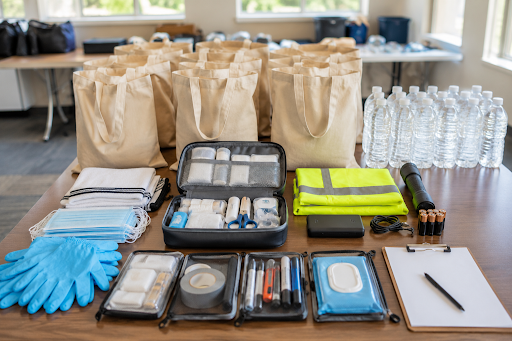
Before building a kit, coordinators should think about the situations volunteers are most likely to encounter. A community event may need bandages, water, phone chargers, safety vests, and sign-in sheets. A neighborhood cleanup may require gloves, trash bags, wipes, and basic first aid. A storm-response group may need flashlights, batteries, tape, portable chargers, and printed contact lists.
The best kit is not the biggest one. It is the one that matches the actual work. Carrying too many supplies can make the kit heavy and confusing. Carrying too few can leave volunteers unprepared.
Many coordinators use Custom Tote Bags to organize lighter supplies because they are easy to label, simple to carry, and flexible enough for different volunteer roles.
Divide the Kit Into Clear Sections
An emergency response kit should not be a single pile of supplies. It should be divided into categories so volunteers can find items quickly. A simple section system might include first aid, communication, sanitation, tools, paperwork, and personal safety.
For example, first-aid items can go into a red pouch. Gloves, masks, and wipes can stay together. Flashlights and batteries should be stored in the same area. Printed emergency contacts and checklists should be protected from moisture.
This kind of organization makes the kit easier for new volunteers to use. They should not need to ask where everything is during a busy moment.
Choose Secure Carrying Options for Important Items
Some supplies need extra security. Small tools, phone chargers, medication forms, keys, cash boxes, or emergency contact cards should not fall out easily. For these items, coordinators may prefer bags with closures or zippered sections.
A closed design can be especially helpful when volunteers move through crowds, outdoor spaces, or busy event areas. Options such as Custom Tote Bags with Zipper can help keep essential supplies contained while still offering enough space for practical emergency materials.
The point is not to make the kit difficult to open. It is to prevent important items from being lost during movement.
Label Kits by Role or Location
If several volunteers are working at the same event, each kit should have a clear purpose. One kit may belong at registration, another at the first-aid table, another with the cleanup team, and another with the event lead.
Labels should be simple and visible. “First Aid,” “Check-In,” “Cleanup,” or “Power & Tech” are easier to understand than overly detailed descriptions. Color tags or ribbon markers can also help volunteers identify the right kit quickly.
Check and Restock After Every Use
A kit is only reliable if it is maintained. After every event or response activity, coordinators should check what was used, damaged, expired, or missing. Batteries should be tested. First-aid items should be restocked. Paperwork should be updated. Bags should be cleaned if they were used outdoors.
A short restock checklist can prevent future problems. It also makes the next event easier to prepare.
Conclusion
Reliable emergency response kits help volunteer coordinators keep teams organized and ready. By matching supplies to real needs, separating items clearly, using secure carrying options, labeling kits by role, and restocking after each use, coordinators can reduce stress and improve response quality.
Prepared volunteers are more confident volunteers. A well-built kit gives them the tools they need to support the community when it matters most.
https://smartsimiles.com/designed-for-tomorrow-discovering-sophisticated-urban-living-spaces/
https://smartsimiles.com/optimizing-digital-entertainment-through-high-performance-systems/