A roof represents one of the most important protective systems in any home. Every day, it faces sunlight, rain, wind, temperature changes, falling debris, and other environmental conditions while protecting the structure underneath. However, two roofs installed at roughly the same time do not always last the same number of years.
Several factors determine how quickly roofing materials deteriorate.
Material quality certainly matters, but it represents only one part of the equation. Installation methods, local climate, routine maintenance, attic ventilation, and insulation can all influence how well a roofing system performs over time.
Homeowners who understand these factors can make better decisions about installation, maintenance, and repair. More importantly, they can identify problems early instead of waiting until water starts entering the home.
Here are five of the most important factors that can determine how long a roof lasts.
1. Roofing Material Quality
The roofing material itself provides the foundation for long-term performance.
Different materials naturally have different expected service lives. Asphalt shingles remain popular because they balance affordability, appearance, and relatively straightforward installation. Metal roofing, tile, and slate may provide considerably longer service under suitable conditions.
However, material type alone does not determine durability.
Quality also varies within each category.
Premium shingles may include stronger reinforcement, better protective granules, and improved resistance to wind or impact. Likewise, higher-quality metal roofing may feature coatings that provide better protection against corrosion and weather exposure.
Homeowners should therefore compare more than initial prices.
Choosing the cheapest material can lower installation costs today, but frequent repairs or earlier replacement can increase long-term expenses.
Climate should also influence the decision.
A roofing material that performs well in a mild environment may not be ideal for an area exposed to intense heat, frequent hail, coastal air, or heavy snow.
For this reason, homeowners should consider local weather patterns, manufacturer specifications, warranties, and maintenance requirements before choosing a roofing product.
2. Installation Quality
Even premium roofing materials can fail early when contractors install them incorrectly.
Roof installation involves numerous details, including underlayment placement, fastener positioning, flashing, ventilation, drainage, roof penetrations, and edge protection.
A mistake in any of these areas can reduce performance.
For example, improperly installed flashing around a chimney can create a pathway for water.
Incorrectly driven nails may damage shingles or fail to secure them properly.
Poorly sealed roof penetrations can also allow moisture to enter slowly over time.
These problems may not become visible immediately.
In fact, a newly installed roof may look perfectly normal from the ground while hidden installation mistakes gradually cause deterioration underneath.
That is why contractor experience matters.
Homeowners should look for roofing professionals who follow manufacturer installation requirements and established industry practices.
They should also ask about workmanship warranties and previous experience with the selected material.
Speed should never become more important than installation quality.
A carefully installed roof often provides better long-term value than a rushed project completed with expensive materials.
3. Climate and Weather Exposure
Weather continually affects roofing materials.
Sunlight, rain, wind, hail, humidity, snow, and changing temperatures can all influence how quickly a roof ages.
In hot climates, intense ultraviolet exposure can gradually degrade certain roofing surfaces.
Daily heating and cooling cycles can also cause materials to expand and contract repeatedly.
Over many years, this movement may contribute to cracking, loosening, or other wear.
In areas with heavy rainfall, moisture management becomes especially important.
Damaged flashing, blocked gutters, or poor drainage can allow water to remain on or around vulnerable roof sections.
Cold climates create different challenges.
Snow accumulation adds weight, while freezing and thawing cycles can place stress on roofing materials and drainage systems.
Strong winds can lift shingles, loosen flashing, or drive rain underneath damaged sections.
Meanwhile, hail can create direct impact damage that may not always appear obvious from the ground.
Homeowners cannot change the weather, but they can prepare the roof for local conditions.
Selecting suitable materials, maintaining drainage systems, and scheduling inspections after major storms can reduce the long-term impact of harsh weather.
4. Maintenance and Timely Roof Repairs
Routine maintenance is one of the most controllable factors affecting roof lifespan.
Small problems often become expensive because homeowners do not notice them early.
A single damaged shingle, loose piece of flashing, or small sealant failure may initially create little visible damage.
However, repeated exposure to rain can allow moisture to reach the roof deck and other structural materials.
Therefore, regular inspections are valuable.
Homeowners should monitor the roof for:
- Missing shingles
- Cracked or curling shingles
- Loose flashing
- Damaged roof vents
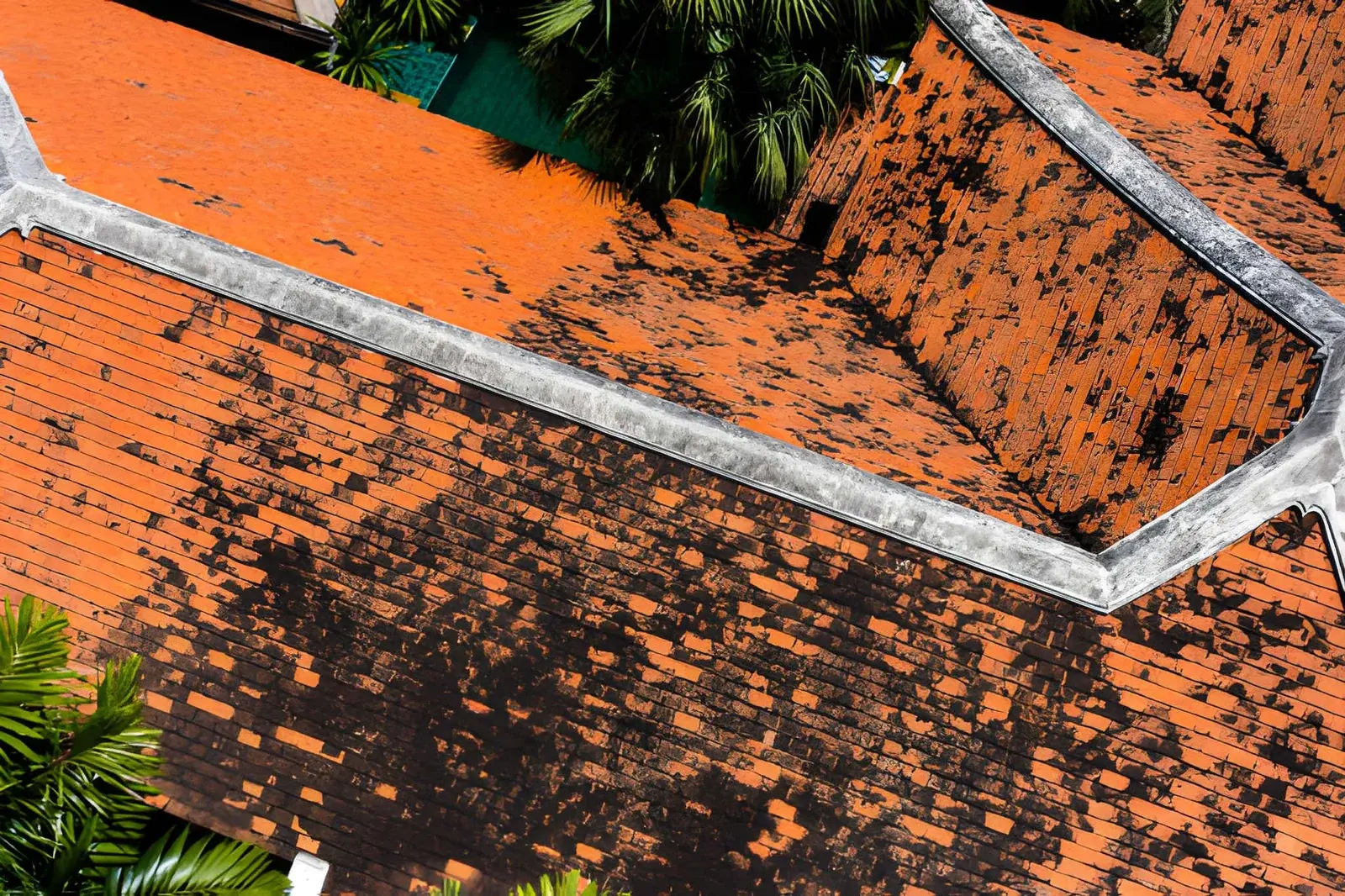
- Moss or algae growth
- Sagging areas
- Clogged gutters
- Water stains inside the attic
- Signs of leaks around penetrations
Checking the roof after strong storms can also reveal sudden damage.
When homeowners discover a problem, quick action matters.
Professional roof repair can address damaged sections before moisture spreads into insulation, ceilings, walls, or structural framing.
Timely repairs usually cost significantly less than correcting widespread water damage later.
Keep Gutters and Drainage Systems Clear
Roof maintenance should include gutters.
Gutters direct rainwater away from the roof edge and foundation. However, leaves, branches, dirt, and roof granules can restrict that flow.
When gutters clog, water may overflow toward the fascia or collect along the roof edge.
Persistent moisture can contribute to wood deterioration and other roofing problems.
Therefore, homeowners should clean gutters regularly and verify that downspouts remain clear.
Homes surrounded by trees may require more frequent maintenance.
Trim Overhanging Branches
Trees can also affect roof longevity.
Branches hanging directly over a roof may scrape against shingles during windy conditions.
Larger limbs can fall and cause immediate damage during storms.
Leaves and organic debris may also accumulate in roof valleys and gutters.
Trimming nearby branches reduces these risks while allowing roof surfaces to dry more effectively after rainfall.
5. Ventilation and Insulation
Attic conditions can have a surprisingly large effect on roof durability.
A roof does not only experience weather from the outside. Heat and moisture from inside the property can also affect roofing components.
Proper ventilation allows air to move through the attic.
Typically, cooler air enters through intake vents while warmer air exits through higher exhaust vents.
This airflow helps control excessive heat and moisture.
Without adequate ventilation, attic temperatures can become extremely high during summer.
That heat may increase stress on roofing materials and make the home harder to cool.
Moisture presents another concern.
Warm, humid indoor air can enter the attic and condense on cooler surfaces.
Persistent moisture can contribute to mold, deteriorated insulation, and damaged wood.
Proper insulation works alongside ventilation.
Insulation helps limit heat transfer between living areas and the attic, creating more stable temperatures.
However, homeowners should avoid blocking ventilation openings when adding insulation.
A professional can evaluate attic airflow and determine whether the current ventilation system matches the roof design.
Other Conditions That Can Affect Roof Longevity
Although the five factors above have major influence, several additional conditions can change roof performance.
Roof Pitch and Design
Roof design affects how easily water and debris leave the surface.
Steeper roofs generally shed water more quickly, while low-slope roofs may require specialized materials and drainage strategies.
Roof valleys and complicated architectural sections can also create areas where water concentrates.
Proper flashing and drainage become especially important in these locations.
Nearby Vegetation
Heavy shade can prevent certain roof sections from drying quickly after rain.
Persistent dampness may encourage moss, algae, or organic buildup.
Regular cleaning and appropriate tree maintenance can help reduce the problem.
Foot Traffic
Roofing materials can suffer damage when people walk across them unnecessarily.
This is especially true for older, brittle shingles or fragile tile systems.
Whenever possible, homeowners should leave detailed roof inspections and repairs to professionals who understand how to move safely across roofing surfaces.
Previous Repair Quality
Old repairs can affect future roof performance.
Temporary patches may solve an immediate leak without correcting the underlying problem.
Homeowners purchasing an older property should therefore consider having the roof professionally inspected, especially when visible repairs already exist.
How Regular Inspections Help Extend Roof Life
Roof inspections provide an opportunity to identify wear before it becomes severe.
Homeowners can perform basic visual checks from the ground, but professional inspections can evaluate areas that are difficult to see safely.
Roofers may examine flashing, shingles, ventilation components, drainage areas, penetrations, and structural conditions.
They can also inspect the attic for moisture or evidence of previous leakage.
Many homeowners benefit from scheduling periodic inspections and additional checks following severe storms.
Keeping records of inspections and repairs can also help track recurring problems.
For example, repeated leakage in the same location may indicate a larger design or flashing issue rather than unrelated minor damage.
Repair or Replace: Knowing the Difference
Maintenance can extend roof life, but eventually every roofing system reaches a point where replacement becomes more practical than continuous repair.
Homeowners should consider the roof’s age, overall condition, repair frequency, and extent of damage.
Replacing one damaged section may make sense when the rest of the roof remains healthy.
However, widespread deterioration, recurring leaks, or large areas of failing materials may indicate that repairs will only postpone replacement.
A professional evaluation can help homeowners compare the immediate repair cost against the long-term value of a new roofing system.
Planning replacement before complete failure also provides more time to compare materials, contractors, warranties, and budgets.
Why Preventive Care Saves Money
Homeowners sometimes delay roof maintenance because they want to avoid immediate costs.
Unfortunately, this approach can create much larger expenses.
A small roof leak can eventually damage decking, insulation, ceilings, drywall, paint, flooring, and electrical components.
By contrast, repairing the original roofing defect early may involve only a small section of material.
Preventive care also allows homeowners to plan repairs instead of responding to emergency leaks during storms.
Therefore, maintenance should be viewed as a way to protect the overall investment in the property rather than as an unnecessary expense.
Conclusion
Roof lifespan depends on much more than the date it was installed.
Material quality, workmanship, local climate, regular maintenance, and proper ventilation all influence how long a roofing system can continue protecting a home.
Homeowners have control over several of these factors.
They can select materials suited to their climate, hire experienced installers, clean gutters, trim trees, inspect the roof regularly, and address small problems promptly.
They can also maintain proper attic ventilation and insulation to reduce stress from heat and moisture.
No roof lasts forever. However, thoughtful maintenance and timely repairs can prevent premature deterioration and help homeowners get the most value from their roofing investment.
A roof that receives regular attention does more than last longer. It protects the structure below it, supports indoor comfort, preserves property value, and reduces the risk of costly unexpected repairs.
Also Read
- Chopped Meaning Slang Girl 💇♀️: What Does “Chopped” Really Mean?
- Feining Meaning: Definition, Usage, Slang Context & Real Chat Examples (2026)